
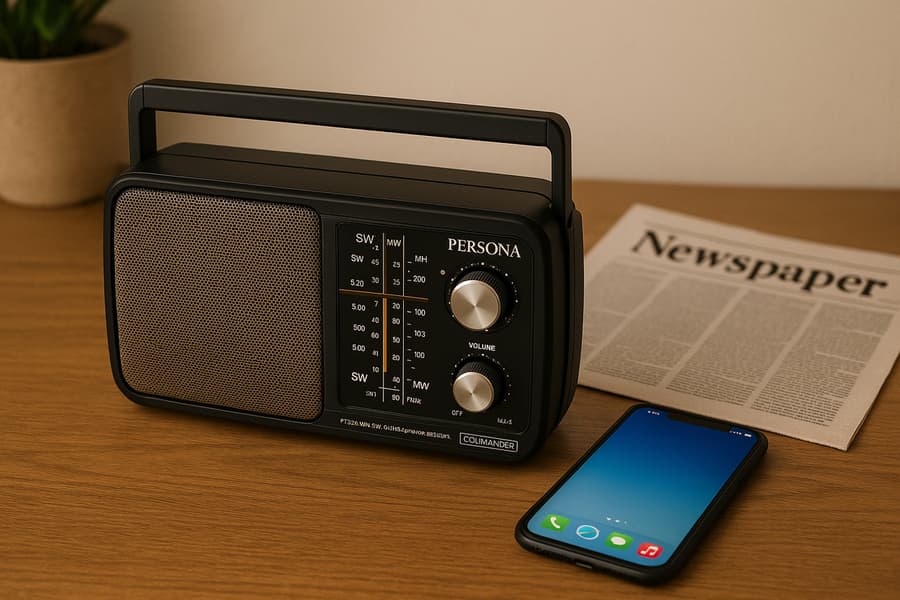
On the show Panel Magik, Richard Widmaier shared his experiences with Radio Métropole, a passion for broadcasting that is passed down from father to son. He took the opportunity to revisit the shift to digital television and its challenges.<\/p>
According to Richard Widmaier, the desire to adapt to the transformations in the media landscape also led the Widmaier family to invest in the television sector. With the launch of Télé Métropole in February 2009, Radio Métropole takes a new step forward and broadens its scope.<\/p>
This diversification responds to an undeniable reality: media consumption habits are evolving, and communication companies must be capable of offering their content across multiple platforms.<\/p>
On the airwaves of Magik 9, Richard Widmaier also discusses the changes related to smart TVs and new broadcasting technologies. In the view of the executive, the digital transition represents an important project that requires collaboration among operators, industry stakeholders, and various concerned partners.<\/p>
According to Richard Widmaier, the challenge lies in supporting consumers through this technological evolution while enabling media companies to adapt to the new modes of content distribution.<\/p>
Internet and social media: radio must reinvent itself<\/strong><\/p> After a century of broadcasting in Haiti, the question of the future of radio emerges with particular acuity. The Internet, digital platforms, and social media have profoundly disrupted public habits. Information now circulates at an unprecedented speed, and traditional media no longer hold the same monopoly on content distribution.<\/p> Richard Widmaier places these transformations in a historical perspective. For him, every major technological innovation has, upon its emergence, raised questions about the future of existing media. Print media had to adapt to the arrival of radio. Television subsequently transformed the habits of listeners and viewers.<\/p> For the general director, however, it is not a matter of viewing these new technologies as tools meant to eliminate radio or television. The real challenge is to understand their effects, reassess practices, and find ways to maintain a relevant place in a deeply transformed media environment.<\/p> According to Richard Widmaier, radio must therefore continue to evolve without losing what constitutes its true strength, namely its ability to inform, accompany, entertain, and create a connection with society.<\/p> At the end of this interview, the story of Radio Métropole appears as that of a family business that has navigated several generations, major technological transformations, and particularly difficult political periods.<\/p> From Ricardo Widmaier to Herby Widmaier, and then to Richard Widmaier, the passion for broadcasting has been transmitted and reinterpreted over time. Through his testimony, Richard Widmaier reminds us that the longevity of a media outlet does not solely depend on its equipment or its ability to keep up with technological innovations. It also relies on a vision, a work culture, an editorial identity, and a sustainable relationship with the audience.<\/p> As Haitian broadcasting celebrates its hundred years of existence, the journey of Métropole thus illustrates an essential conviction: for a media outlet to endure, it must know how to reinvent itself.<\/p><\/div>
 .com
Si vous avez déjà créé un compte, connectez-vous GRATUITEMENT pour lire la suite de cet article.
Connectez-vousPas encore de compte ? Inscrivez-vous
Lire aussi

La PNH et les militaires salvadoriens opèrent dans la Plaine du Cul-de-Sac, le Premier ministre prendra enfin la parole
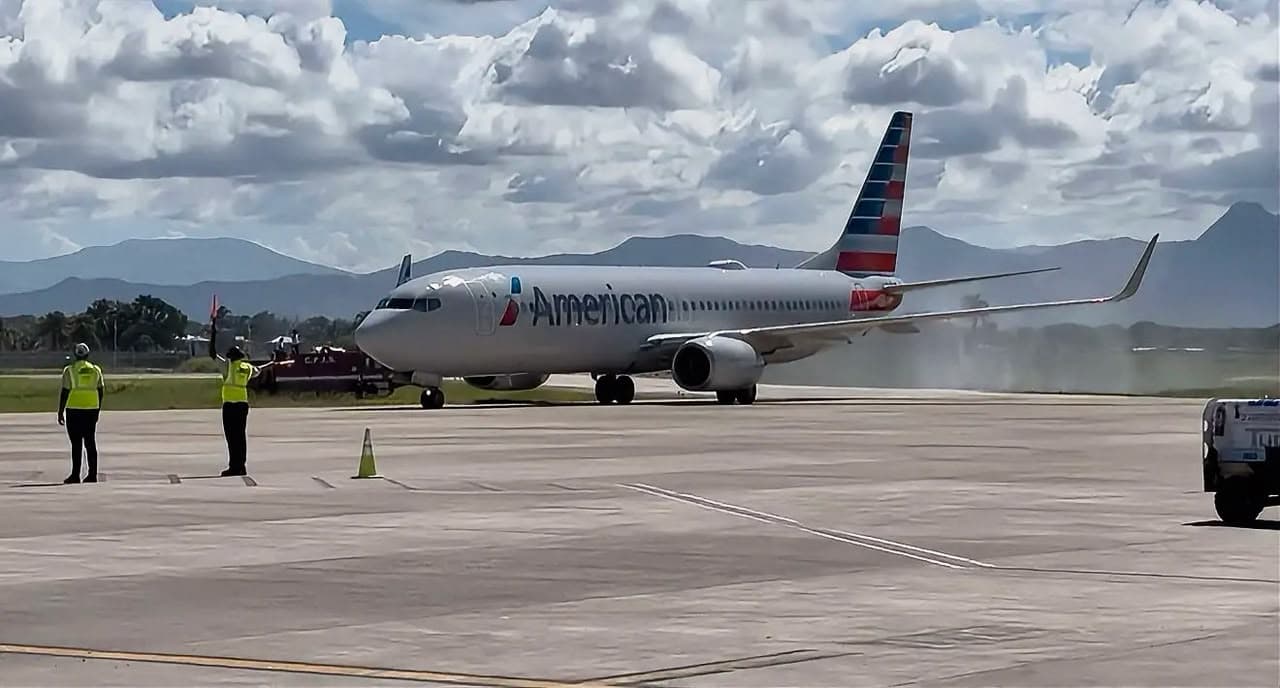
American Airlines de retour au Cap-Haïtien après deux ans d’absence en Haïti

Nippes: une jeune infirmière assassinée par son compagnon

Commentaires
Aucun commentaire pour le moment. Soyez le premier à réagir.