
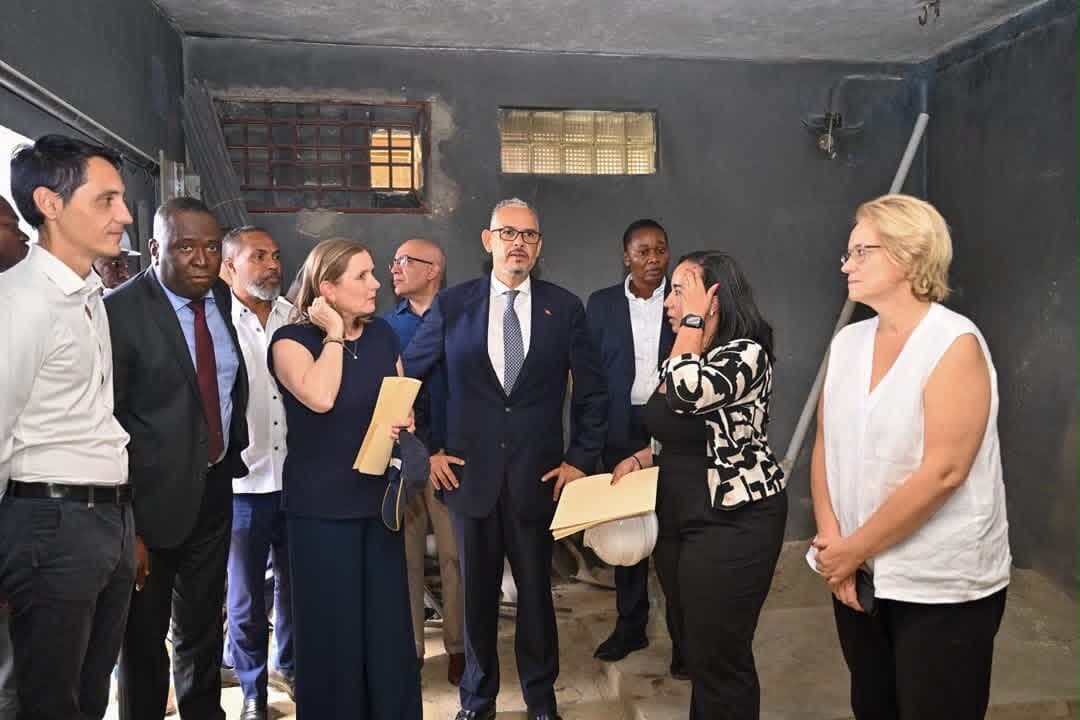
The Director General for the Americas at the European External Action Service (EEAS), Delphine Pronk, concluded her two-day visit to Haiti by emphasizing security, the holding of credible elections, and sustainable development. Accompanied by the EU ambassador, Hélène Roos, she presented a summary of her visit in a video message posted on social media. She stated her intention, through this mission, to "fully understand" the insecurity faced by the Haitian population.<\/p>
During her mission, Ms. Pronk engaged with Haitian authorities, including the Prime Minister. Discussions focused on the security situation, the necessity for credible elections and a democratic process, as well as the sustainable development of the country.<\/p>
"I came to Haiti to ensure that I fully understand the security situation faced by the Haitian population. We spoke with the authorities, including the Prime Minister, about the security situation, the need for credible elections and a democratic process, and also the subsequent need to ensure the sustainable development of the country for the benefit of the population," Ms. Pronk stated in the video message.<\/p>
The EEAS Director General for the Americas also met with international partners and representatives of civil society. The European official described civil society as "an extremely important voice." She specified that the European Union is "supporting" Haiti to emerge from this crisis situation while remaining "demanding."<\/p>
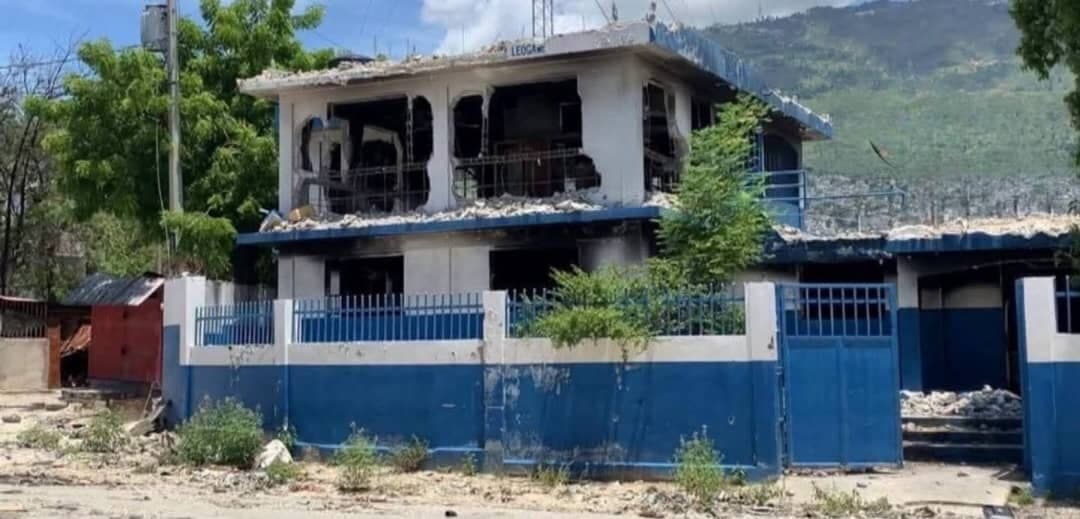
Elections with a precise timeline<\/strong><\/p> Ms. Pronk advocated for security and for a democratic process through elections organized according to a precise timeline. She believes that such a timeline would allow the Haitian population to choose its leaders democratically for a more sustainable future. She associated this with economic development, in order to emerge from a crisis that, according to her, "has lasted too long."<\/p> The European official linked this position to the values of the European Union: democracy, law, international law, stability, and sustainable development. According to her, these principles align with the aspirations of Haitian partners. The Union, she stated, wants to help Haitians express themselves freely for "a stable and economically viable future, free from everyday violence."<\/p> For her part, Ambassador Hélène Roos reminded that the European Union has been present in Haiti for 30 years and works "hand in hand" with the Haitian people. The diplomat noted that Ms. Pronk's visit coincides with the launch of two projects. The first aims to support communities in their desire to reduce violence. The second aims to strengthen the independence of local media.<\/p> In Kenscoff, a base to bring police closer to the population<\/strong><\/p> On Thursday, November 12, the delegation visited the site of the future Forward Operating Base (FOB) of Téléco in Kenscoff. Ms. Pronk was accompanied by the Prime Minister, the EU ambassador, and the Minister of Justice and Public Security, Dr. Patrick Pélissier. Officials from the Haitian National Police (PNH), the Organization of American States (OAS), Spain, and France also participated in the visit.<\/p> This project is funded by the European Union and implemented by the OAS. It aims to strengthen the operational capacities of the PNH and its presence close to the population. "We are here today to see one of the five advanced security bases to allow the police to secure strategic areas for the population,” said Delphine Pronk.<\/p> France and Spain commend concrete support<\/strong><\/p> The Chargé d'Affaires a.i. of the French embassy in Haiti, Gregory Varennes, expressed his happiness at seeing progress on the works. For him, the Kenscoff base marks the concrete support of the European Union and its member states. He described it as essential for consolidating security gains, reclaiming territories, and protecting the inhabitants of the area and beyond. He reminded that France supports, together with its European and international partners, the PNH, the Armed Forces of Haiti, and all those involved in the recapture and consolidation of territories.<\/p> The Ambassador of Spain in Haiti, Marco Peñin Toledano, emphasized that this high-level visit, coming directly from Brussels, demonstrates the "total commitment" of the European Union and partners such as Spain and France, who are permanently present in the country. The ambassador sees this as the Europeans' bet on the future of Haiti and Haitians, particularly in the fields of security and development. In his view, the construction of the advanced bases will constitute "a starting point" to ensure lasting peace in the country.<\/p>


Commentaires
Aucun commentaire pour le moment. Soyez le premier à réagir.