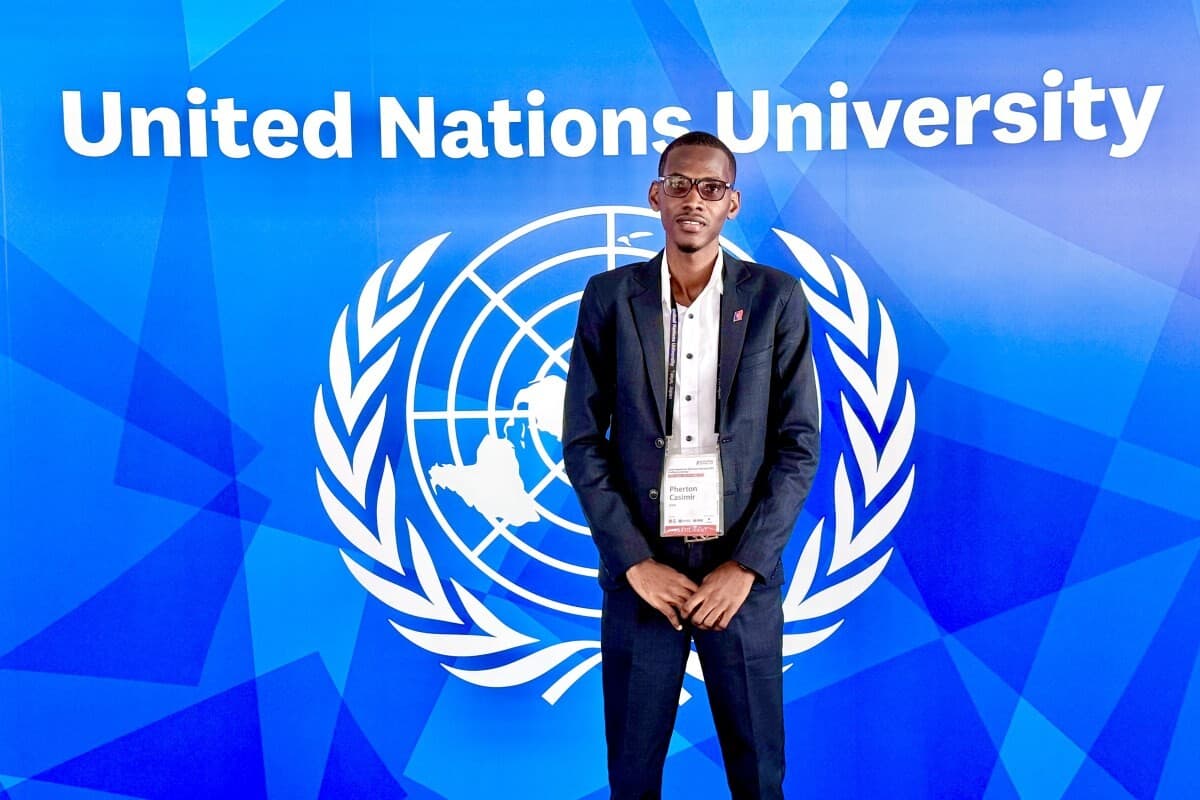
In 1637, Pierre Corneille wrote in Le Cid: "To well-born souls, worth does not wait for the number of years." These words, which have crossed time, seem to describe one man: Pherton Casimir. Originally from the commune of Les Anglais, a lawyer and advocate for media and information literacy (MIL), Pherton Casimir represents the Latin America and Caribbean region within the Executive Committee of the Youth and Students Network for SDG 4, hosted by UNESCO. This network is the official body representing youth and students on the High-Level Steering Committee for SDG 4, the global coordination and decision-making body for education.
His role in this network allowed him to participate, on October 28 and 29, 2026, at the United Nations University in Tokyo (Japan), in the development of the Youth Agenda for Education and Learning Beyond 2030. This document calls for granting young people a real place in defining future educational policies. How did a young man from the South Coast become a role model?
The beginnings of his commitments
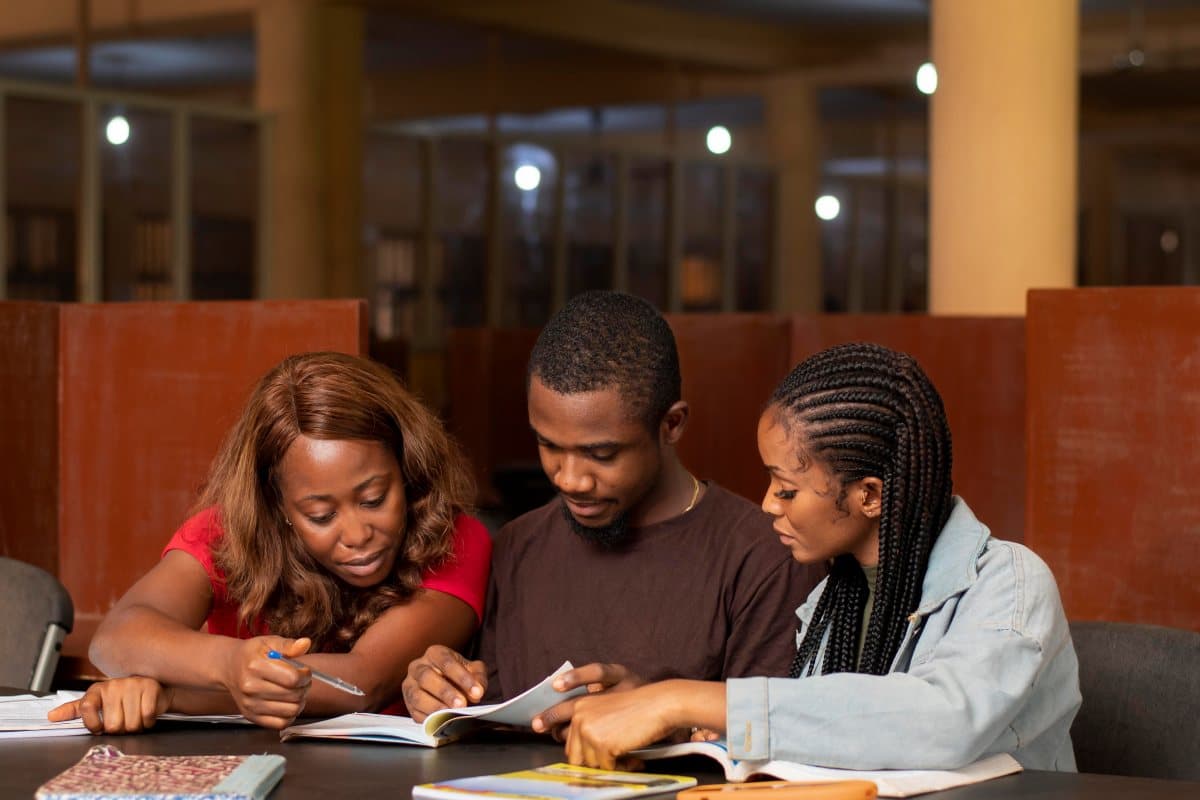
Pherton Casimir's journey began during his law studies at the School of Law and Economic Sciences of Les Cayes (EDSEC). It was there that he became interested in debate, citizenship, and the issues facing his community. In 2021, he co-founded the Debate and Scientific Research Club (CDERS). The club organized, between 2021 and 2023, public conferences, workshops to exchange ideas on societal issues, and debates on various topics for youth from universities. At the inaugural conference of CDERS, he stated on the microphone of Cayes Infos: "In Haiti, young people face difficult realities, but they also have ideas, energy, and solutions. We must empower them to participate, rather than reducing them to spectators."
Media and information literacy, a fight for critical thinking
In 2021, training in media and information literacy (MIL) directed his commitment; faced with misinformation and the uncritical use of digital technologies, he chose to make it a civic battle.
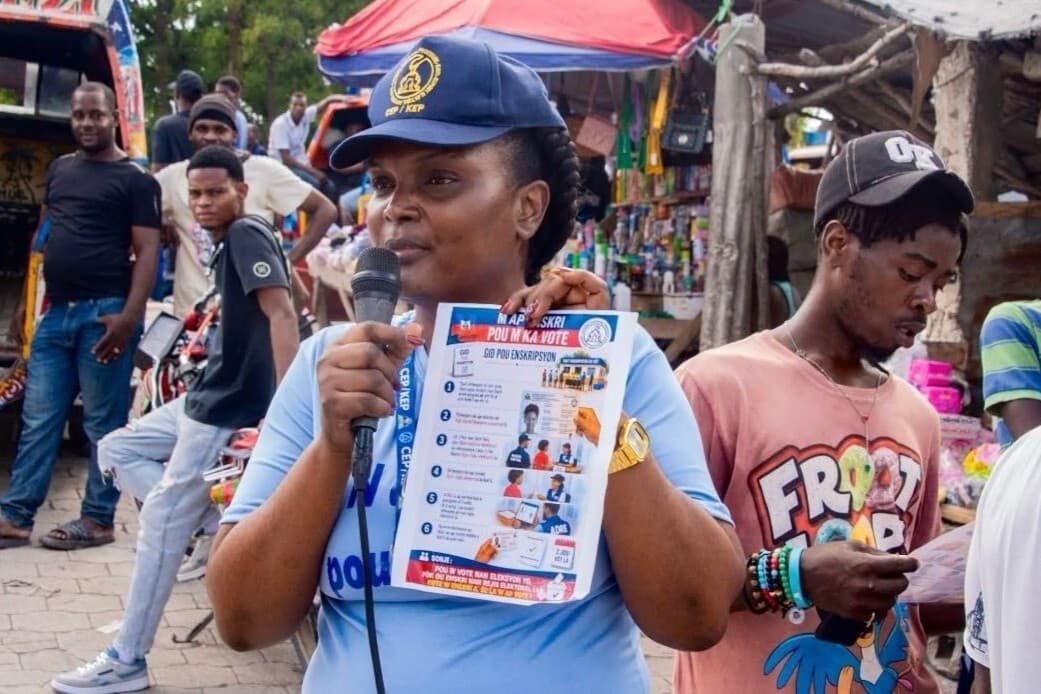
Together with other young people, he contributed to creating the Network of Media and Information Volunteers, which became the Haitian Observatory of the Information Society (OHSI), which he currently presides over. OHSI teaches young people to verify information, to use digital tools responsibly, and advocates for the integration of MIL into the Haitian educational system. In 2024, OHSI launched the first edition of an interschool competition on the theme of integrating MIL into the Haitian school curriculum. This event raised awareness in 21 schools and trained 25 students.
His commitment is not limited to Haiti. Pherton Casimir has now taken the habit of intervening as a panelist during initiatives organized by UNESCO's headquarters and collaborates with other international actors in this field. He is also the author of a guide on information verification for youth, published on UNESCO’s website in English, French, and Haitian Creole.
"Many young people receive information without being prepared to question it," he emphasizes. "Verifying before sharing is not only a technical skill: it is an act of citizenship."
A global agenda in the face of Haitian reality
In April 2026, UNESCO and the Youth and Students Network for SDG 4 launched a global consultation among youth aged 11 to 30. The survey focused on their vision for the future, desired changes in education, and the actions they were ready to undertake. Over 200,000 young people from 194 countries participated.
After the consultation, young people from the Network, the United Nations University, and the youth committee of the Japanese National Commission for UNESCO gathered in Tokyo to shape the Youth Agenda based on its results. The discussions were intense, recounts Pherton Casimir: everyone ensured that the ideas emanating from the consultations were included, as this is the agenda of the youth of the entire world. The document will be presented to leaders in Bangkok, from March 31 to April 2, 2027.
This Agenda aligns with several Haitian realities. It asserts that conflicts, displacements, and emergencies should not disrupt learning, and that safety must follow young people everywhere: at home, in school, in their communities, and online. He wants a public and free school, open to those who are hardest to reach, with adequate buildings, materials, and digital tools, especially where learners are most vulnerable, particularly in rural areas. Originally from the South, Pherton Casimir is particularly committed to this: a young person living far from the major cities deserves the same opportunities to learn as others.
Teachers have their place in this, with more training, smaller classes, a reasonable workload, recognition, and better salaries. Assessment should also help in learning rather than generate stress. In the consultation, young people expressed a desire for exams that measure what they know how to do, rather than what they have memorized.
Regarding information, youth are concerned about inadequately regulated technology and artificial intelligence used without critical thinking, which ultimately undermines independent thought. They therefore request that MIL be taught.
"AI can help in learning, but it must not replace human reflection," Pherton Casimir believes. "Young people must learn to use technology without losing their ability to question, verify, and decide."
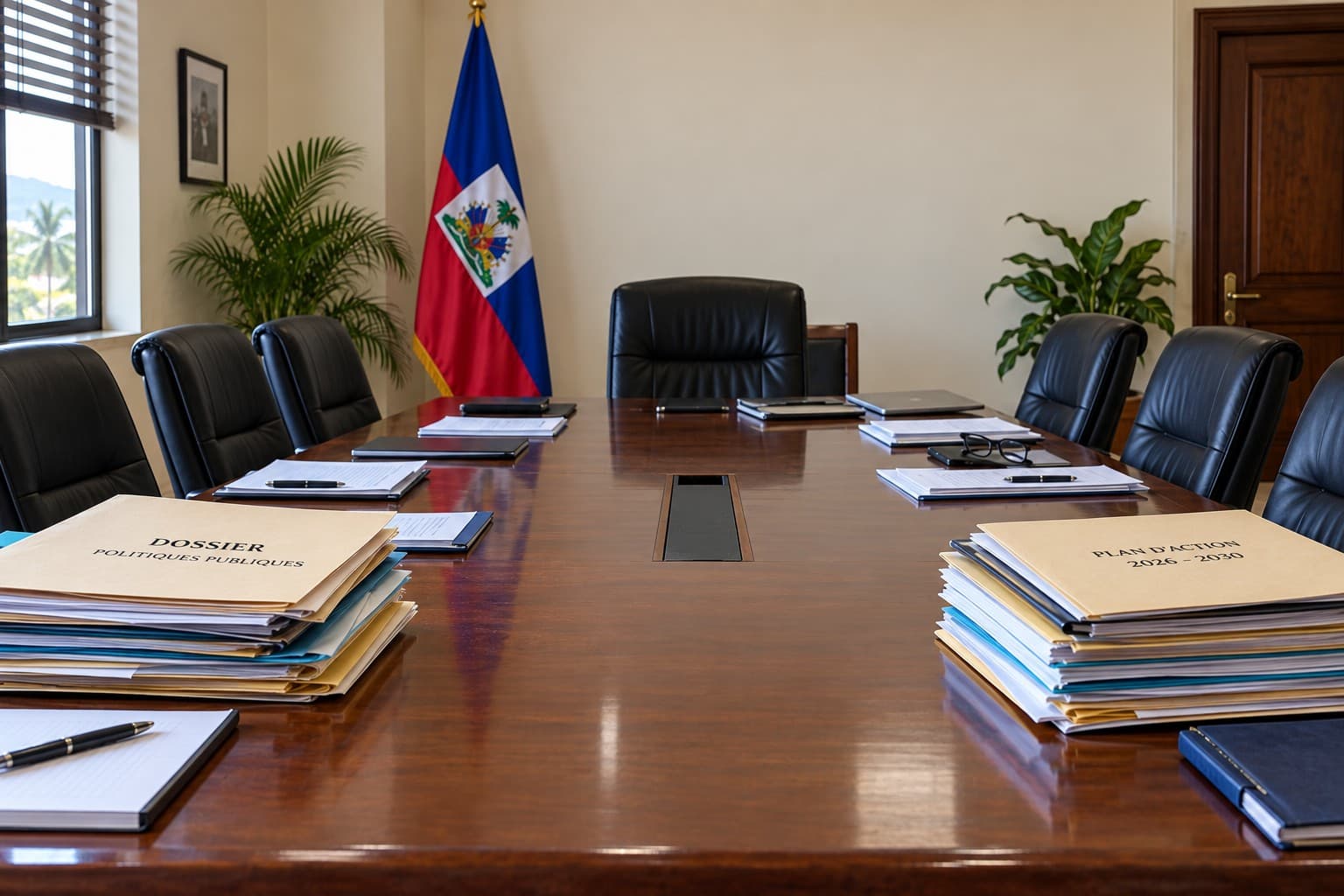
All this rests on one requirement: that young people truly participate in decisions, with permanent representation, a right to vote, and shared power.
A message to young Haitians
For Pherton Casimir, his presence on the international stage in the fields of education and MIL shows that young Haitians can take their place in significant global debates.
"I want young Haitians to understand that their background does not limit their future. In my life, I have learned that with hard work, discipline, and perseverance, one can contribute to reflections that transcend borders. I advise young people not to wait for perfect conditions: joining a club, taking a training course, or launching a project, all of that already matters. The youth of Haiti do not just ask for a seat at the decision-making table; they want to contribute to building the education of tomorrow, an education that protects, includes, and empowers everyone to succeed," concludes Pherton Casimir.

Commentaires
Aucun commentaire pour le moment. Soyez le premier à réagir.