
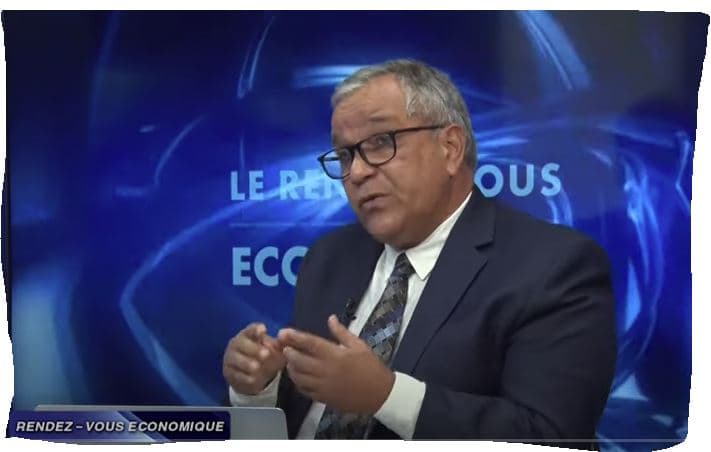
Regarding diaspora transfer recipients, economist Pierre-Marie Boisson explained that they are primarily consumers. He further stated that these individuals use the transfers to buy food, pay for transportation, rent, and their children's tuition. "Given this, it is not logical to tell the recipients what to do with their transfers. It is better to have a competitive food industry so that transfer beneficiaries can buy local products instead of imported ones," said the Sogebank board member.
In general, diaspora transfer money stays in Haiti for some time. When transfers arrive, they go through a transfer house that pays the beneficiary, and the recipient will use the received money in gourdes for consumption purposes. "There is no simultaneity between the receipt and spending of dollars. Only a small portion of transfers that stays in the banking system for more than a day through deposits in dollars can be redirected. In fact, deposits constitute a resource on bank balance sheets available for credit. This portion, if there are incentive public policies, banks can use to grant credit to sectors with a noble character, meaning those that are important for the economy," explained the banker.




Commentaires
Aucun commentaire pour le moment. Soyez le premier à réagir.