
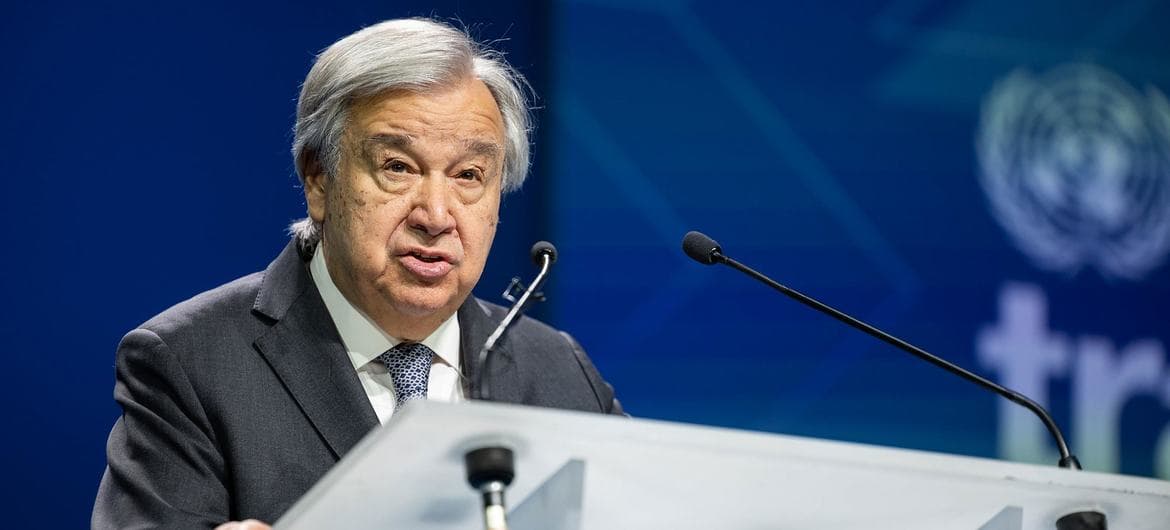
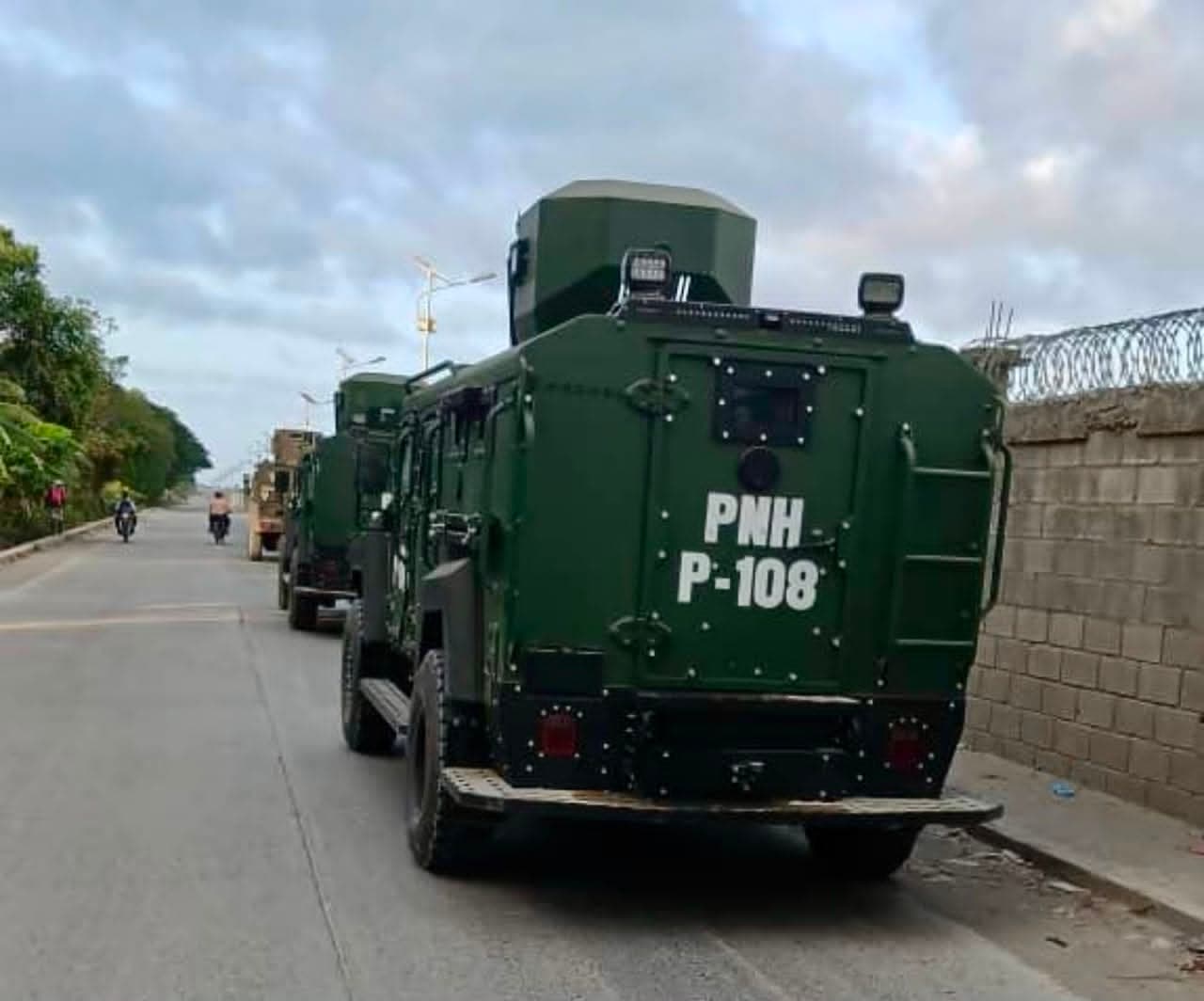
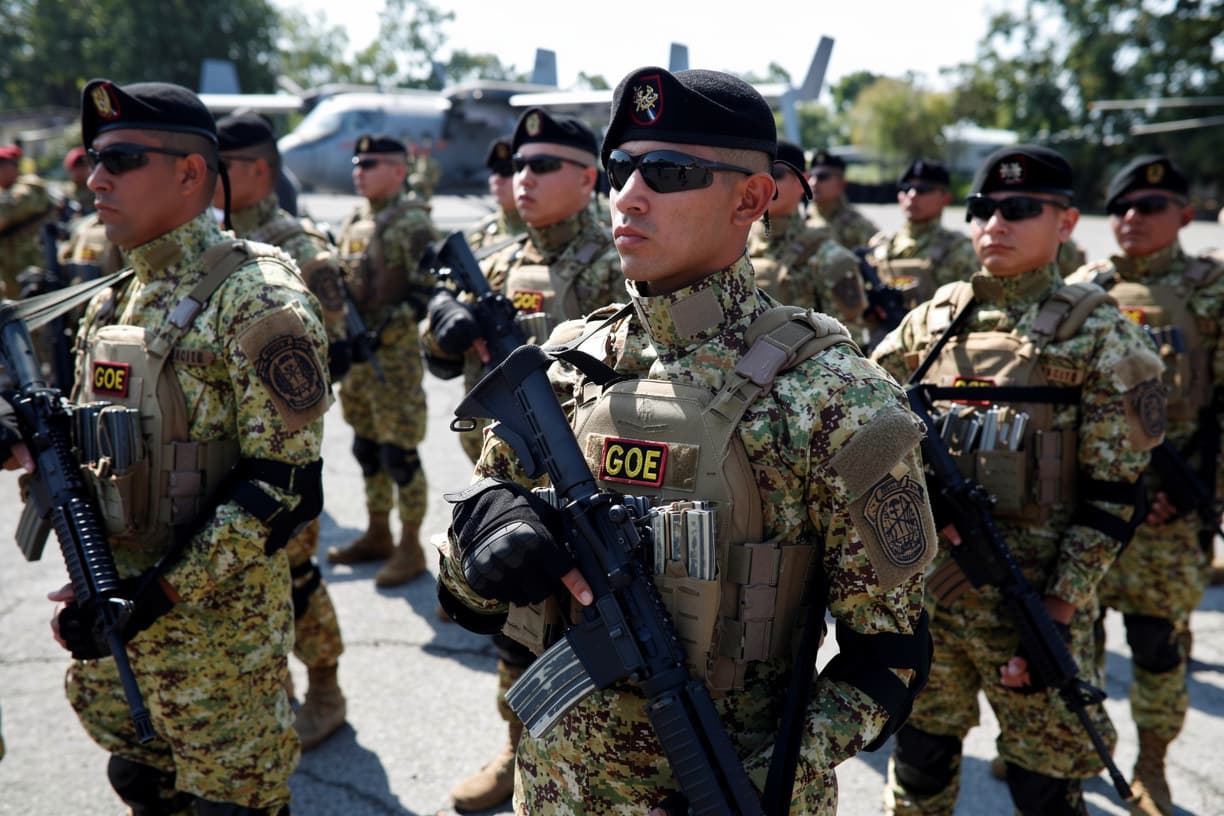
The transformation of the Multinational Security Support Mission (MSSM) into a peacekeeping mission "is not considered a viable option," wrote UN Secretary-General Antonio Guterres to the President of the Security Council, Mr. Fu Cong, on February 24, 2025. "Such a transition could be considered once significant progress has been made in substantially reducing gang territorial control," Guterres continued, stating that there is a "realistic option." This involves a dual-track strategy that allows the United Nations to assume new roles to enable the MSSM, the national police, and Haitian authorities to significantly reduce gang territorial control through the imposition of peace. The Secretary-General indicated that this "would require a strong mandate for the use of force and the capacity to conduct targeted operations against gangs." "The comparative advantage of the MSSM over a potential UN peacekeeping operation in the current context lies in its robust mandate to use force to conduct joint targeted operations against gangs alongside the national police. The central element of implementing the proposed new strategy would be the creation of a United Nations support office, funded through peacekeeping contributions. This office would provide comprehensive logistical and operational support from the UN to the MSSM, as well as a limited set of non-lethal support to the national police participating in joint or coordinated operations with the MSSM. It would also be necessary to increase the personnel of the MSSM and strengthen it with additional military capabilities and lethal equipment provided bilaterally by Member States to fill current gaps. This would allow the financing of the MSSM to transition into a more stable and predictable hybrid model that would include substantial funding from peacekeeping contributions combined with greater voluntary contributions," detailed the letter from the UN Secretary-General to the President of the Security Council.
According to Guterres, support could encompass the full range of logistical, administrative, and operational assistance generally provided to a UN peacekeeping operation, although its scope would be limited by the size and geographic area of the MSSM's planned operations. Support areas could include accommodation, life support (food, fuel, and water), mobility support (ground transport, movement control, aviation), medical capacity in Haiti and abroad (including MEDEVAC to higher levels of care), engineering and facility management support, general supply support, as well as communications, information technology, and GIS support. The use of assessed funds would allow for additional forms of support, including troop rotations and local procurement. It would be tailored to the operational needs of the MSSM, particularly through the establishment and provision of support for temporary operational bases and other temporary operational deployments. The support provided to the MSSM would also need to be adjusted based on changes to the operational model, personnel, deployment footprint, or other major modifications, Guterres wrote.


Commentaires
Aucun commentaire pour le moment. Soyez le premier à réagir.