
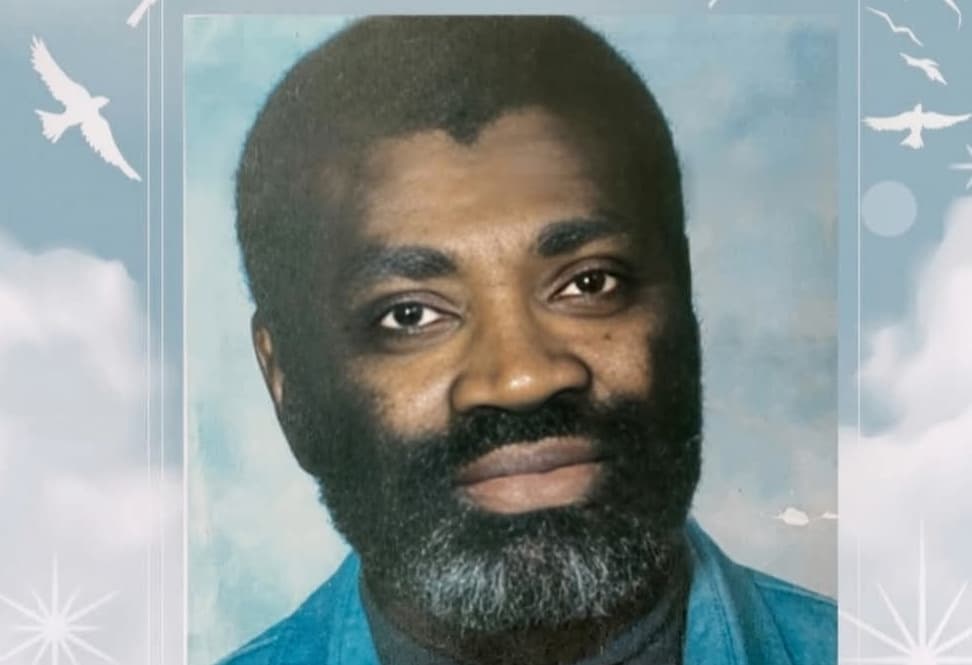
I was 12 years old when I was stopped in the street in Jacmel by Molière, known to everyone as a scout leader: “You’re old enough to become a scout,” he told me. The following weekend, I was taken into the Jacmel troop for two years. I then had the opportunity to discover in Molière a passionate scout leader, devoted to the education of the city’s youth—introducing them to their environment, teaching them the meaning of dedication, service, and respect for people of all social classes. I remained in contact with Molière throughout his life; he became like a member of my family and I like a member of his. Today, together with his whole family, I remain inconsolable in the face of his passing.
In response to the rise of Duvalier’s dictatorship in the years 1957–1960, Molière took the risk of creating a movement called the Circle of Friendship, which brought together young people from all social categories to prepare them for solidarity in the face of the coming terror. At the time, Molière had received, in a relatively discreet way, a genuine initiation into the social and political history of the country through the regular teachings of a respected history professor, Jean-Jacques Dessalines Ambroise, a well-known opponent of the dictatorship, later assassinated (in 1966) in prison by Duvalier. Molière himself was sought by the regime’s political police because of his influence over young people and, above all, his cultural activities. He was forced to spend several months in hiding before joining the capital on foot. From there, he managed to leave incognito for abroad.




Commentaires
Aucun commentaire pour le moment. Soyez le premier à réagir.