
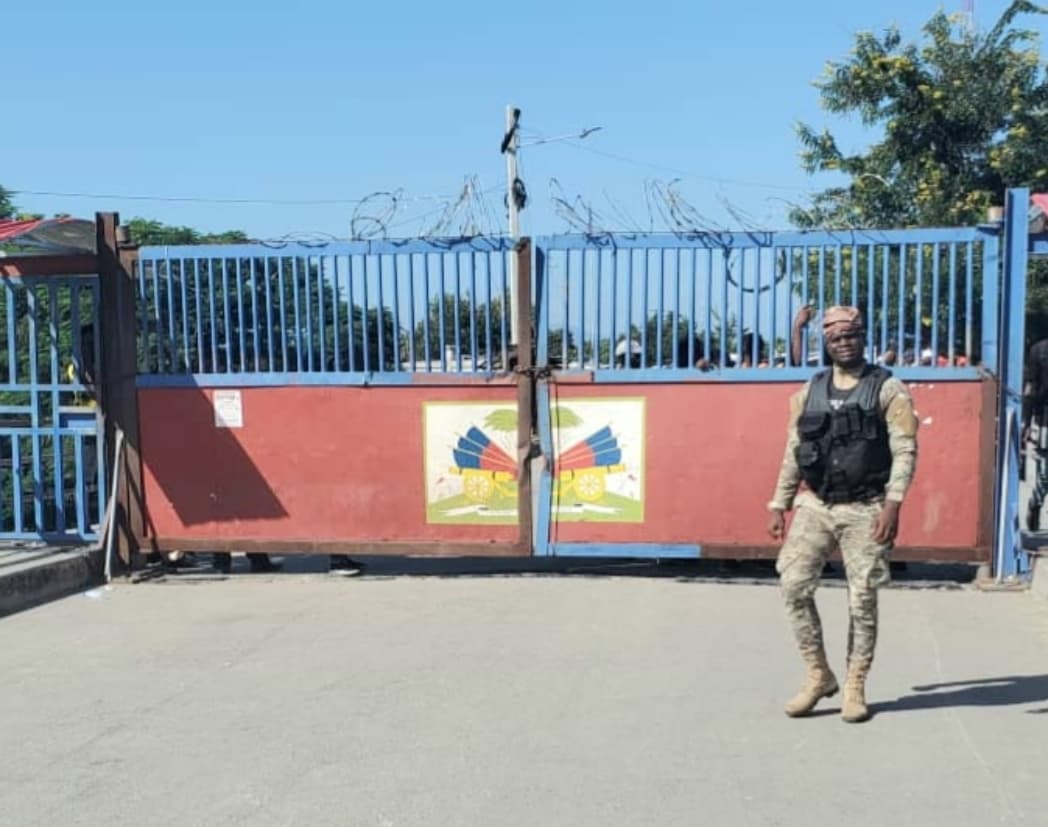
The Haitian private sector has long understood that the lack of control over the border by the Haitian state is a threat to the country's stability and contributes to the steep decline in national production. However, before the earthquake on January 12, 2010, there was some control at the border. "After the disaster, there was a need to further open the borders; since then, the Haitian state has not been able to regain control of the situation," lamented Georges Sassine, former president of the Association of Industries in Haiti.
To understand the difference between pre- and post-earthquake, one must compare the trade figures between the two countries during the two periods. "In 2001, there was still a small trade deficit - less than 100 million dollars - in favor of the Dominican Republic. However, over the next 12 years, Haitian imports exploded - from 208 million dollars in 2002 to over 1 billion dollars in 2013 - while exports to our eastern neighbors barely declined. In 2015, the Dominican Republic officially exported about 1 billion dollars' worth of goods to Haiti but only imported 4 million dollars' worth," according to a study by the Center for Strategic and International Studies (CSIS) on the Haitian-Dominican border published in March 2019 and funded by USAID.



Commentaires
Aucun commentaire pour le moment. Soyez le premier à réagir.