
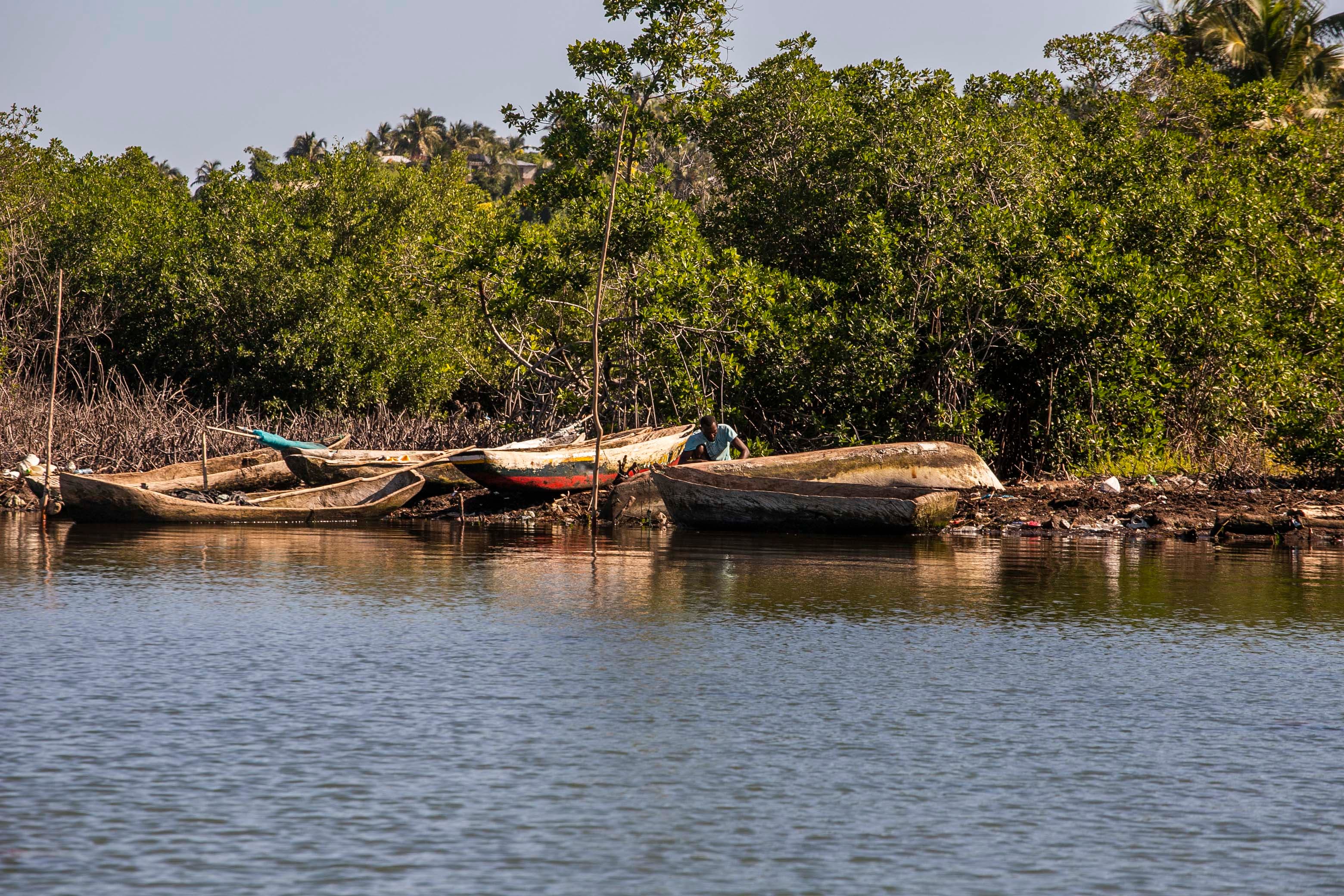
Haiti is among the most vulnerable countries in the world to the effects of climate change. This is explained by our geographical position. Being a small island state, Haiti is exposed to environmental challenges. The National Risk and Disaster Management Plan (PNGRD 2019-2030) notes that the country’s ten geographic departments are exposed to hazardous natural phenomena (cyclones, lightning, flooding, drought, violent storms, strong winds, landslides, earthquakes, tsunamis). Over the past 20 years, episodes of drought, floods, cyclones, and hurricanes striking the country have been countless. According to available data, in ten years, the losses caused by climate disasters in Haiti have increased significantly, reaching nearly 400 million U.S. dollars in 2020, which represents about 50% of international aid and 20% of the state budget.
Beyond its geographical position, Haiti’s vulnerability to climate change is also explained by its limited adaptive capacity, with relatively weak human, institutional, and economic capital. This bleak picture drew the attention of institutions within Haitian civil society, including the International Joint Laboratory LMI-CARIBACT, the Research Unit in Geosciences (URGéo), the Climate Change Research Team (ERC2), and the Research Institute for Development (IRD), which proposed September 1st as the National Climate Change Education Day. This decision was made through the Turgeau Declaration on September 1, 2023, during the first International Colloquium on Climate Change Education organized at Quisqueya University in Turgeau. The document, signed by around thirty representatives of civil society institutions, proposed the institutionalization of September 1st as the Haitian National Day of Climate Change Education—an initiative aimed at raising public awareness, promoting concrete actions, and strengthening resilience in the face of climate challenges.





Commentaires
Aucun commentaire pour le moment. Soyez le premier à réagir.