
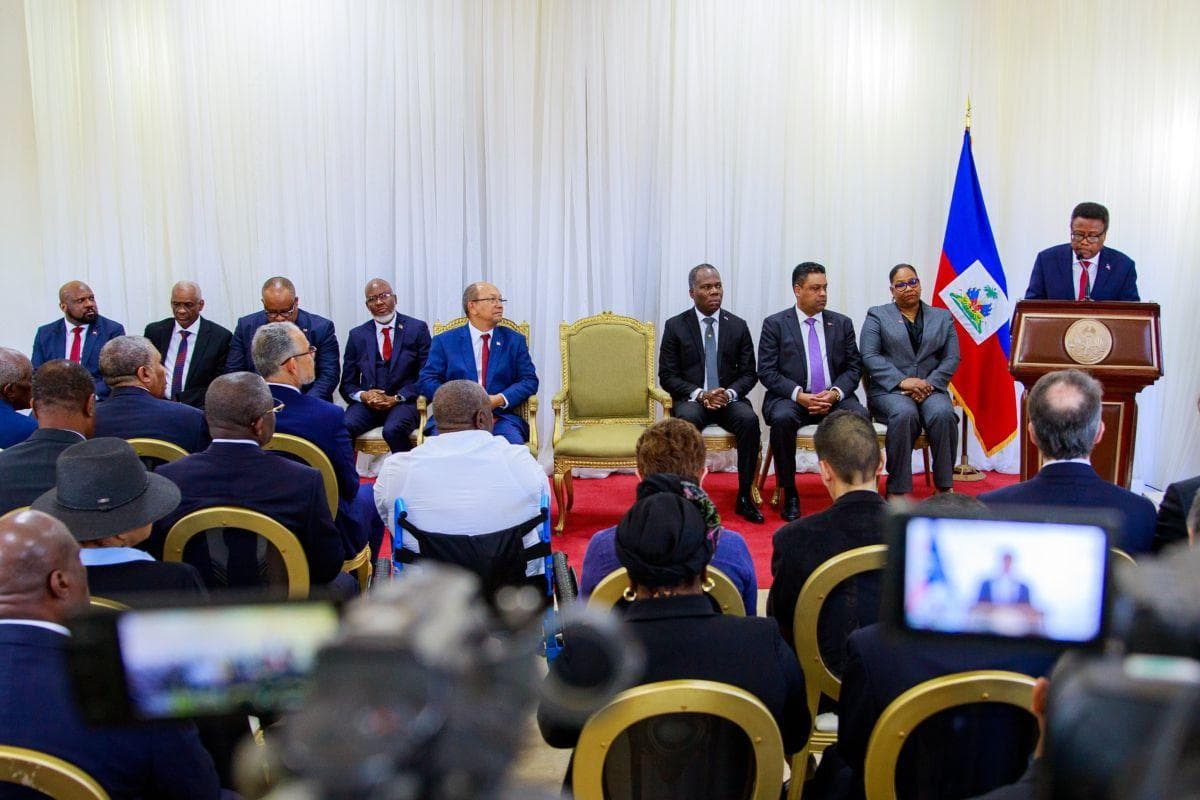
What could be sensed has now become clear. Some presidential advisers want to remain in power beyond February 7, 2026. They are reportedly devising scenarios. Their peers—the BNC indictees, “officially untouchables,”—are being sidelined from the format of a reduced TPC proposed here and there. These presidential advisers have apparently muted their opportunistic, façade nationalism, meant for public consumption. After the outburst by Fritz Alphonse, who denounced foreign interference, and the failure of Act I of the attempted power grab against Prime Minister Alix Didier, diplomats—portrayed as the “big bad white man,” offered up to manufactured, instinctive anger that refuses to establish a hierarchy of responsibilities in Haiti’s misfortune—were taken down.
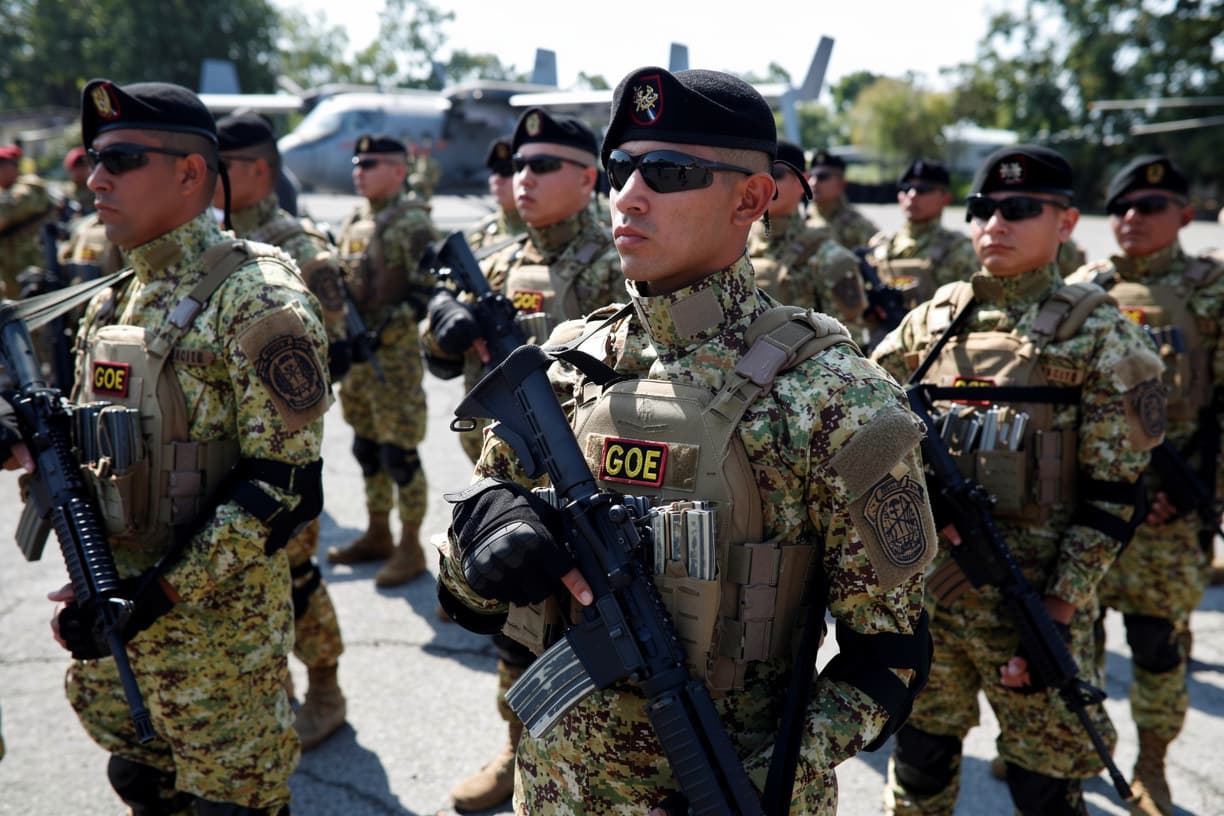
In the meantime, diplomats—serving both as punching bags and smoke screens used by presidential advisers to divert attention from the TPC’s failure—are the ones who state or restate the facts, recall the provisions of the decree creating the Council and the April 3, 2024 agreement, as well as the stakes involved in preserving stability while moving toward February 7 and in the effort to mobilize personnel and resources for the Gang Suppression Force, which is to have 5,500 members. Eighteen countries have committed to sending personnel, and on Monday of this week, according to the Miami Herald, two donor countries—France and Germany—contributed an additional €3 million and €30 million respectively to a United Nations trust fund intended to support the deployed troops. These voluntary contributions bring total pledges to $151.3 million, of which $113.2 million has already been received. Haiti’s future is thus taking shape both domestically and abroad.



Commentaires
Aucun commentaire pour le moment. Soyez le premier à réagir.