
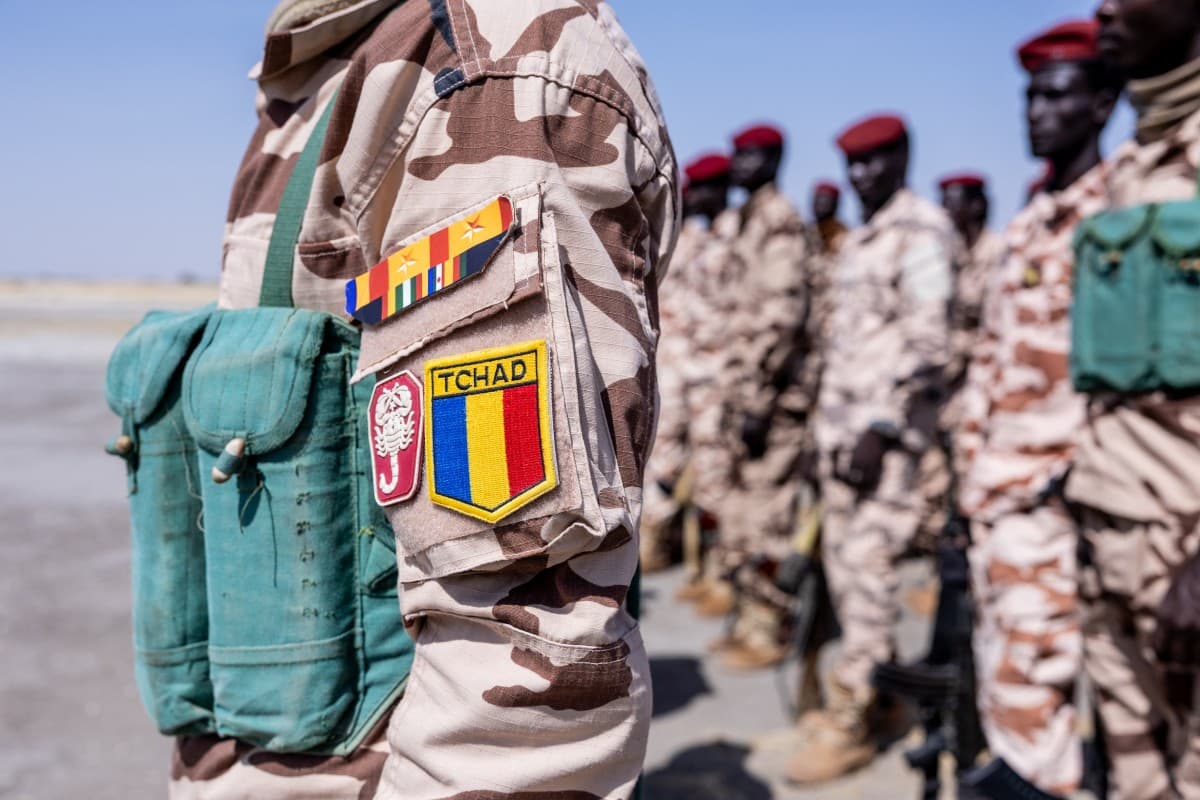
There is, in the grammar of international military interventions, a word that returns with the regularity of a leitmotif: adaptation. It is spoken in Security Council chambers, written into mandates, and embedded in budgets. Then the troops arrive on the ground, and adaptation—that organic process requiring time, tactical intelligence, and rare doctrinal humility—collides with the reality of a space that bears no resemblance to the one for which the troops were trained.
This is precisely the trap awaiting the future Gang Suppression Force (FRG). On paper, it is a significant deployment: 5,500 personnel authorized under a Chapter VII mandate, with the power to “neutralize, isolate, and deter” armed groups. Yet, by late March 2026, none of the major contingents announced (Chad, Bangladesh, Benin) had yet set foot on Haitian soil. The guiding thread of this analysis is simple, but its implications deserve serious examination: every historical precedent of forces trained in open terrain deployed into dense urban areas has resulted in heavy losses and, often, strategic failure.




Commentaires
Aucun commentaire pour le moment. Soyez le premier à réagir.