
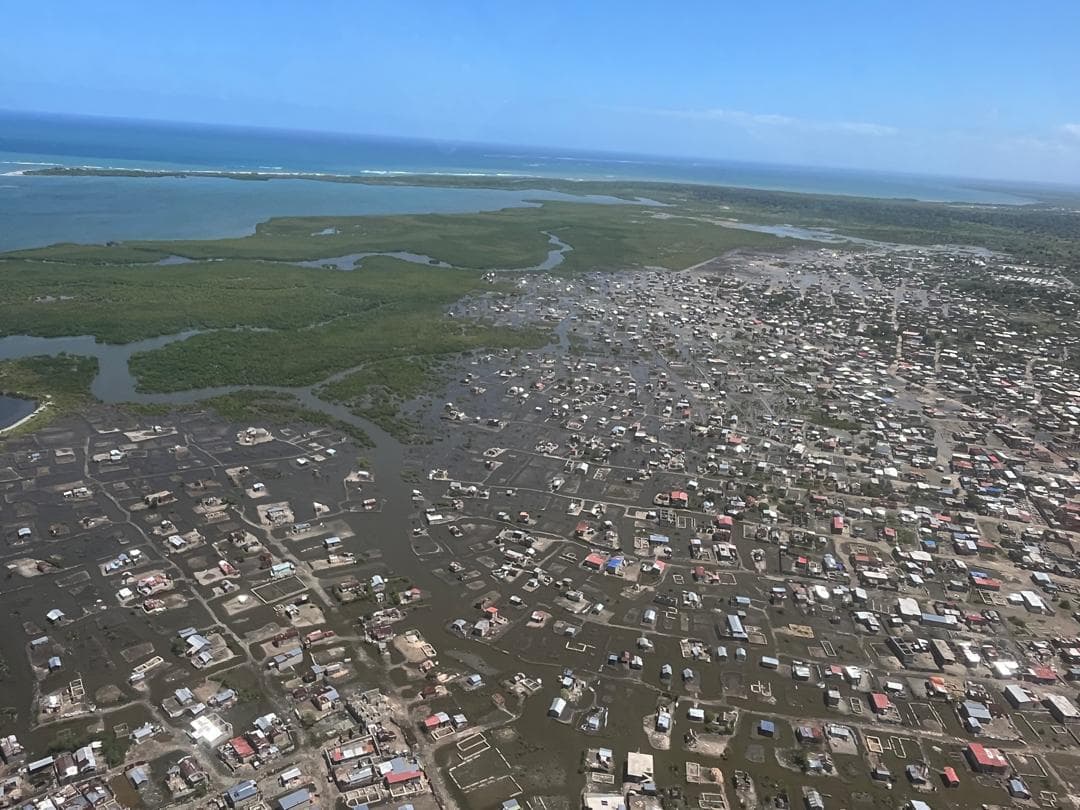
The Cap-Haïtien urban development project financed by the World Bank, estimated at 56 million U.S. dollars, was supposed to represent a major step in the modernization of the country’s second-largest city. Yet, six years after its approval in March 2020, results remain limited and criticism continues to grow regarding implementation capacity, territorial governance, and the absence of a truly integrated urban vision.
Invited on Panel Magik on May 20, 2026, engineer Frantz Verella, former Minister of Public Works and specialist in territorial planning issues, delivered a severe but structured analysis of the difficulties encountered in implementing the project. According to him, the problem lies not only in the pace of the work, but in the very way urban development is conceived in Haiti.




Commentaires
Aucun commentaire pour le moment. Soyez le premier à réagir.