
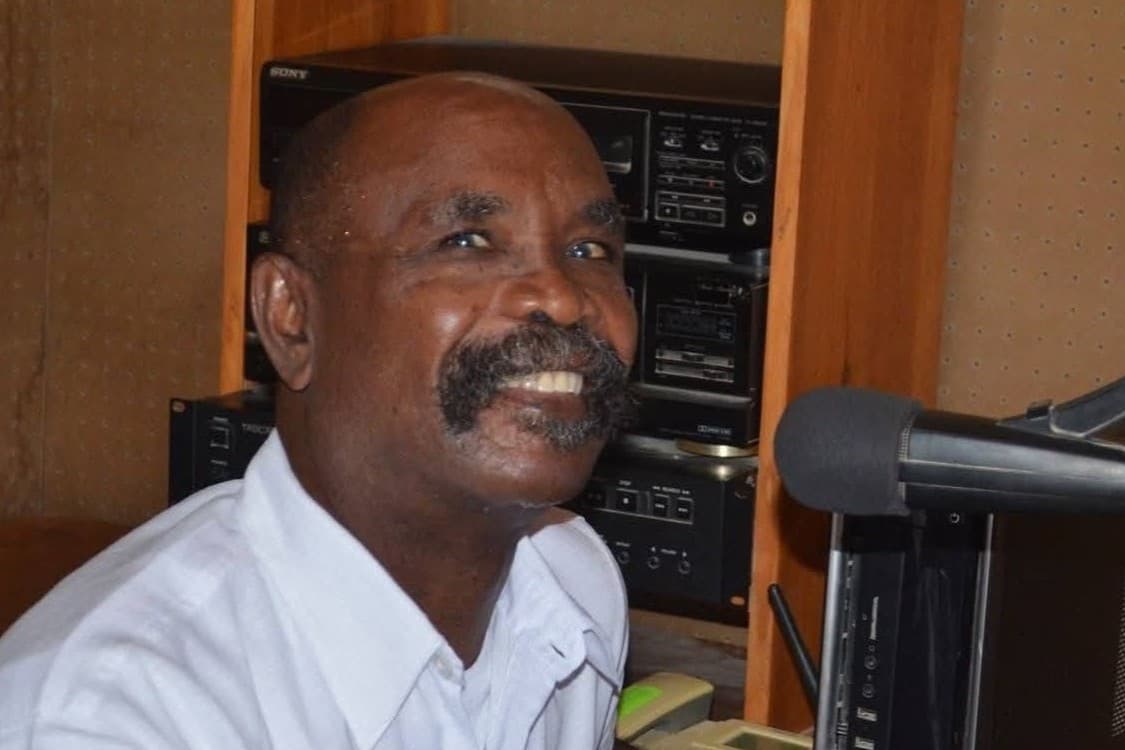
The Director-General of UNESCO, Khaled El-Enany, condemns the murder of Haitian journalist Joseph Willard Vancol, who was found dead on September 9th in Petit-Boukan, in the commune of Gressier. In a statement published on September 29, 2026, he calls on Haitian authorities to shed light on the circumstances of the tragedy and bring those responsible to justice. UNESCO thus calls for a full investigation into the circumstances surrounding his death. Approximately ten days after the journalist's funeral, the United Nations Educational, Scientific and Cultural Organization revisits his disappearance. At 73 years old, Joseph Willard Vancol headed the community radio Ti Boukan FM and notably hosted the programs "Pawòl chanjman" and "Òganize." He was also the coordinator of the training center of the Institute of Technology and Animation (ITECA). According to information provided by UNESCO, Joseph Willard Vancol was kidnapped on August 20 during an armed attack on the ITECA training center. He spent 20 days without a trace before his body was found on September 9 on the center's grounds. His disappearance left his loved ones and colleagues in anxious anticipation until his body was discovered. In condemning this murder, Khaled El-Enany also reflects on the role of community radios for the populations. He emphasizes their importance for residents of disadvantaged neighborhoods and localities, who often face limited access to information. These media serve as a source of local information for them. "Impunity for such crimes is unacceptable and must not be tolerated," states Khaled El-Enany. The Director-General of UNESCO thus recalls the necessity of combating impunity in crimes committed against journalists. The funeral of Joseph Willard Vancol was held on September 19, 2026, in his hometown, Les Cayes. His disappearance once again highlights the difficult conditions under which Haitian journalists operate, amidst threats, armed violence, and forced displacements. It also occurs in a context where several media professionals have been forced to leave their workplace or residence due to insecurity. A survey conducted by UNESCO in 2024 among 86 Haitian journalists shows the extent of the challenges faced in their profession. According to the results published by the organization, 76% of journalists surveyed reported being threatened, while 62% stated they had suffered harassment. More than 30% reported physical threats and 54% believed that such violence affected their work. The risks faced by journalists are not limited to physical threats. Covering crises also exposes them to pressures, difficulties in accessing sources, and the spread of false information. In this context, safety also involves mastering digital tools, verifying information, and adhering to ethical and deontological standards. UNESCO states it will continue its efforts to ensure the safety of journalists through awareness campaigns and training. The organization indicates that these initiatives are part of the United Nations Action Plan on the safety of journalists and the issue of impunity. It reiterates its commitment to protecting information professionals. In its global report on trends in freedom of expression and media development, UNESCO notes a 10% decline in the global freedom of expression index since 2012. The 2022/2025 report also highlights an increase in hostility towards journalists, misinformation, and disinformation. These challenges thus affect journalism in several regions of the world. The brutal disappearance of Joseph Willard Vancol once again reminds us of the dangers that journalists face in their line of work. According to UNESCO's Observatory of Killed Journalists, 14 media professionals have been killed in the country since 2021. Behind this number are also voices and information actors who have been brutally silenced.


Commentaires
Aucun commentaire pour le moment. Soyez le premier à réagir.