
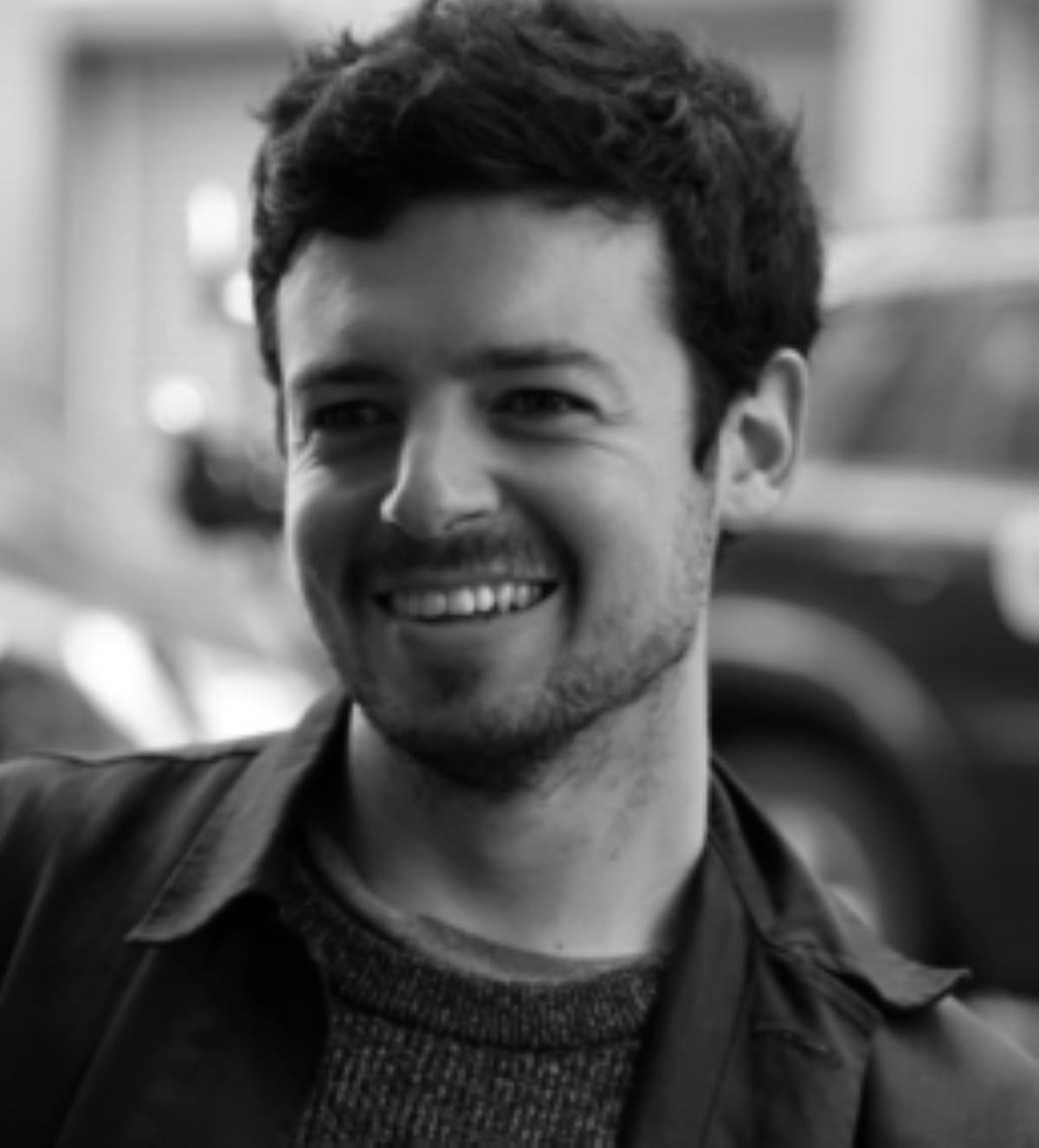
Romain Le Cour from Global Initiative commented on the report of the United Nations experts group this Friday, October 9, 2026, on the show Panel Magik. "It is the most comprehensive, detailed, precise, and aggressive report since the committee was established," Romain Le Cour stated during the morning show on Magik9.<\/p>
Published earlier this week, this report is at the heart of the political news in Haiti. Various political figures are implicated for their connections with gangs. The document also highlights the links between criminal activities, drug trafficking, and ammunition trafficking, as well as certain illicit economic activities.<\/p>
The experts panel's report underscores the opaque relationships between economic elites, political figures, and criminal groups in Haiti, comments Romain Le Cour. "The relationships between the economic sectors, political sectors, and criminal groups in Haiti are like oxygen: you know it's all around you, but you'll never see it," stated Romain Le Cour. He clarified that a Haitian politician confided these words to him during his early days, three years ago, as part of his mission for Global Initiative in Haiti.<\/p>
Speaking on the Panel Magik show this Friday, Romain Le Cour estimated that the latest UN experts group report highlights "this nebulous web of relationships" between the economic and political sectors and criminal groups.<\/p>
Moreover, Romain Le Cour urges to take the UN experts group's report for what it is. "It's not a judgment, he says. It’s a very long investigation based on months of investigation, data collection, documents, and interviews in Haiti and abroad. The experts group seeks to document the relationships that may exist between the economic sectors, political sectors, and criminal groups in the country," explained Mr. Le Cour, specifying that all cited individuals benefit from the presumption of innocence. However, he indicated that this principle cannot serve as an "[alibi for inaction]."<\/p>
According to Romain Le Cour, the latest UN experts group report on Haiti reveals the existence of "three systems of evidence and investigation that do not communicate." He explained that these three systems are the United Nations sanctions regime, bilateral sanctions, and the Haitian judiciary. "These are three 'worlds' that do not communicate and create enormous frustrations within the political class, the economic class, and all of Haitian society in the face of revelations that have very few consequences," he indicated.<\/p>
Romain Le Cour emphasized that in Haiti, "violence is a system." He noted that attention has often focused on gang leaders, "neglecting that they are part of a triangular relationship system involving elected officials and former officials, political figures, intermediaries, and political operators, as well as actors from the economic sector."<\/p>
Spanning over 90 pages, this experts group's report contains revelations that will have consequences on the credibility and transparency of the actors participating in the upcoming elections, Mr. Le Cour believes. Moreover, they will have implications for the attitude of international actors monitoring the upcoming elections.<\/p>
Furthermore, Mr. Le Cour pointed out that the criminal economy in Haiti continues to fuel violence unchecked. "Haiti is under an embargo on arms and ammunition but it’s an embargo that is really ineffective because criminal groups continue to procure weapons and ammunition without problem with the help of a whole host of political and economic operators," he lamented, adding that a very large part of the income of Haitian criminal groups primarily comes from extortion and racketeering, and this money is used to further invest in the purchase of weapons and ammunition.<\/p>


Commentaires
Aucun commentaire pour le moment. Soyez le premier à réagir.