
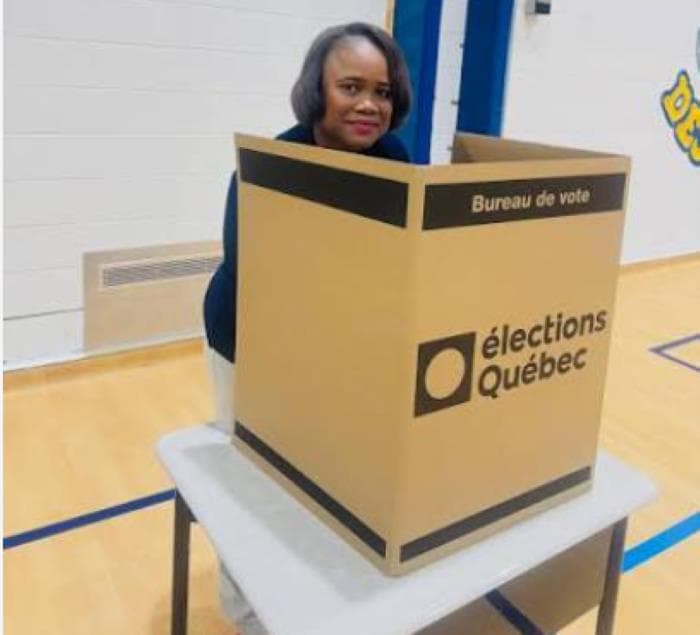
Quebec, the French-speaking Canadian province, went to the polls on Monday, October 5, 2026. The Parti québécois (PQ) won the election with 1,200,394 votes, or 28.02% of the vote, and 59 candidates elected. It was followed by the Quebec Liberal Party (PLQ), which received 1,037,999 votes, representing 24.23% of the vote, with 40 candidates elected. The Conservative Party of Quebec (PCQ) came in third with 885,379 votes, or 20.66% of the vote, and 19 candidates elected. Quebec solidaire (QS), a resolutely left-wing party, gathered 532,093 votes, corresponding to 12.42% of the vote, with nine candidates elected. The Coalition avenir Québec (CAQ), in power for eight years, received 572,037 votes, or 13.35% of the vote, but did not elect any candidates, as it was not in first place in the votes in any of Quebec's 127 ridings.
There were 6,495,984 registered voters, of which 66.9% exercised their right to vote, resulting in a participation rate of 66.9%. A total of 4,347,703 ballots were counted, of which 98.55% were valid. It is noteworthy that Quebec's population was estimated at 9,067,114 inhabitants as of July 1, 2026, by Statistics Canada. The Parti québécois led the Quebec Liberal Party by only 162,395 votes, a margin of 3.79 percentage points. However, it gained 19 more seats than its opponent and will form a minority government starting this week. The PLQ will thus constitute the Official Opposition in the National Assembly of Quebec. If the Parti québécois had secured the majority of 64 elected deputies, it could have formed a majority government with a four-year mandate. According to available statistics, a minority government in Quebec lasts about 18 to 24 months.




Commentaires
Aucun commentaire pour le moment. Soyez le premier à réagir.