
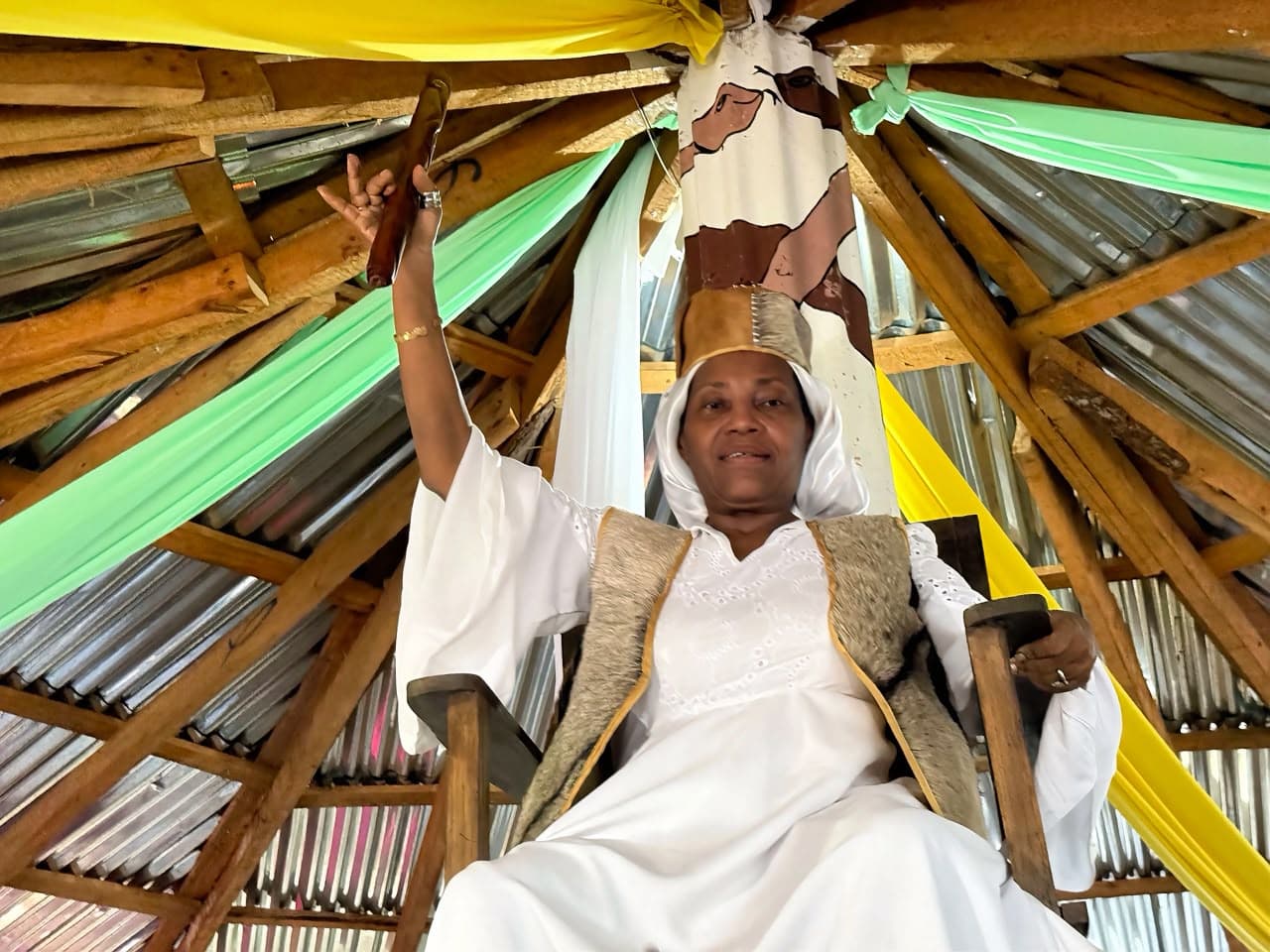
The National Confederation of Haitian Vodou (KNVA) held the inauguration of Florence Deltor Jean Joseph as the new Ati on Sunday, October 18, 2026, in Dereyal, in the municipality of Limonade, Nord department. The first woman to hold this position within the organization, she takes over from Prospère Louidor, who was the interim leader. Her arrival at the head of the confederation comes with calls for unity in the sector, the transmission of traditions, and better recognition of Vodou in Haitian society.<\/strong> <\/p> The ceremony was attended by practitioners and dignitaries of Vodou from several departments across the country. Houngans, manbos, and other representatives from various structures traveled to witness the installation of the new leader, who was elected on March 7 following a vote organized by the KNVA.<\/p> According to Tamy Dulia Dufresne, known as Manbo Marie Jeanne, Gran Sèvitè Kata Iguwey, the mandate of the new Ati is set for seven years, with the first two years constituting a probationary period. If this stage is successfully completed according to the organization’s rules, Florence Deltor Jean Joseph will be able to continue in her role until the end of her seven-year term.<\/p> This provision, presented as a mechanism for monitoring leadership within the confederation, comes in a context where several religious leaders wish to strengthen the organization and the representation of the Vodou sector.<\/p> In her speech, the new Ati recalled the principles that led to the creation of the KNVA, notably the election of leaders and the necessity of ensuring collective representation for practitioners. She also paid tribute to the ancestors and the actors in the struggle for Haiti's independence, highlighting the role of Vodou in national history.<\/p> Florence Deltor Jean Joseph particularly emphasized the need to overcome internal divisions and prioritize solidarity among the various components of the sector.<\/p> “Let us work together so that Haiti may once again become, as Jean-Jacques Dessalines wanted, this land of refuge for all human beings across the world who aspire to freedom, sovereignty, and humanity,” she declared.<\/p> For the new leader, this collective commitment must enable the sector to better organize itself while contributing to the preservation of the cultural and spiritual values inherited from previous generations.<\/p> The issue of teaching Vodou in schools also took a significant place in the discussions. Present at the ceremony, the president of the Bar Association of Limbé, Me Wilner Charles, urged the new Ati to take steps to promote better knowledge of this tradition within the Haitian educational system.<\/p> “It is time for Vodou to be included in the subjects taught in our schools. Haitian students need to study and understand their roots, their culture, and the values of Vodou throughout their schooling,” the lawyer asserted, to the applause of part of the audience.<\/p> Me Charles believes such an initiative would contribute to a better understanding of the national cultural heritage. He also warned against the instrumentalization of Vodou for electoral purposes, denouncing the attitude of certain political leaders who, according to him, seek the support of the sector without fulfilling their commitments once in power.<\/p> “Vodou must now flex its muscles and show its claws against these politicians who use it to access public affairs. Once in power, they pay little attention to it. This must stop,” he declared.<\/p> Other speakers also encouraged Florence Deltor Jean Joseph to prioritize dialogue among the different sensibilities of Haitian Vodou. They particularly stressed the importance of bringing organizations closer together and creating conditions for sustainable collaboration.<\/p> By taking the helm of the KNVA, Florence Deltor Jean Joseph thus opens a new chapter in the history of this confederation. Beyond the symbolic significance of her inauguration, her mandate will notably be marked by the expectations expressed regarding the gathering of practitioners, the valorization of Vodou heritage, and the strengthening of the position of this tradition in Haitian cultural life.<\/p>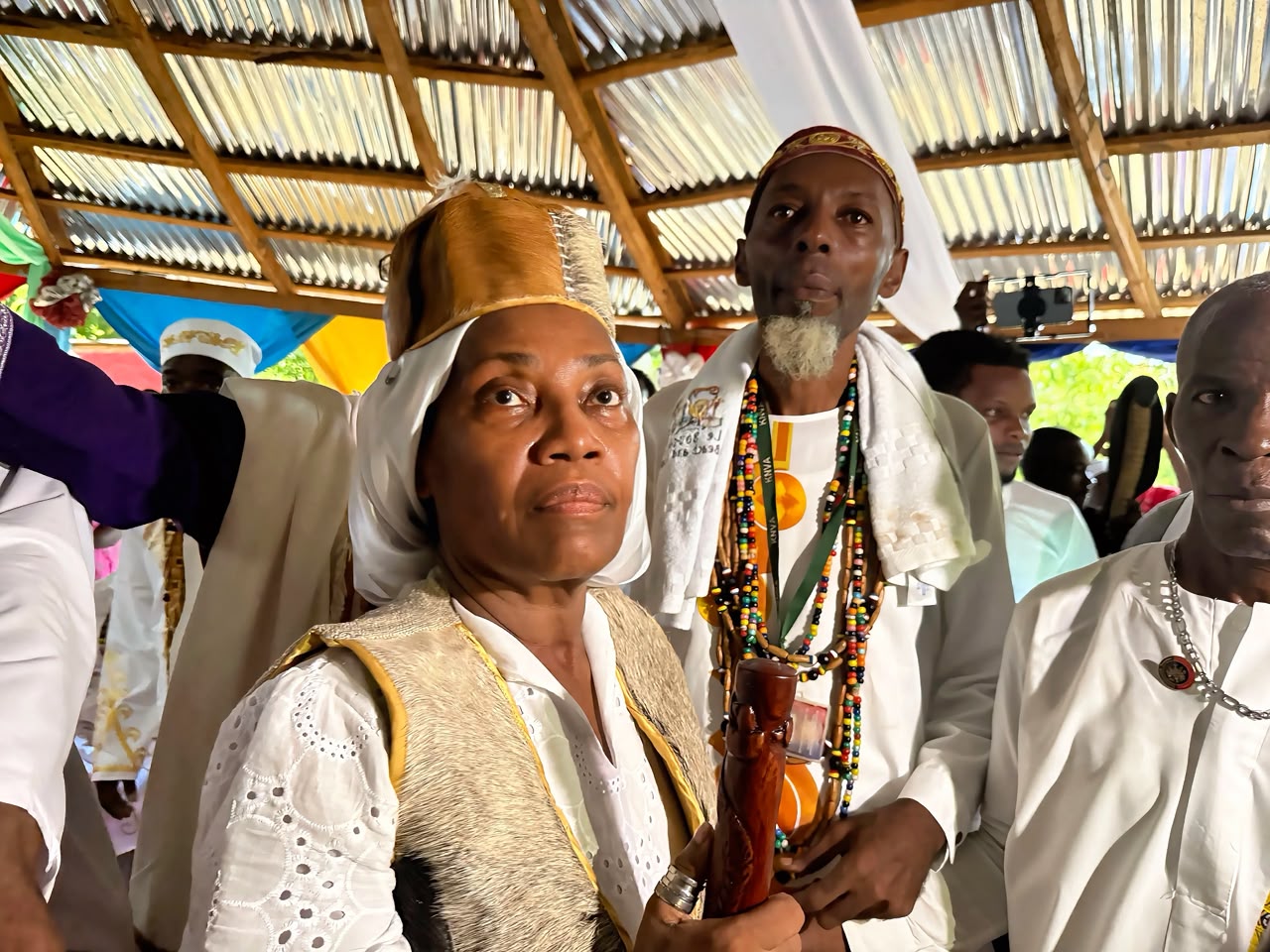





Commentaires
Aucun commentaire pour le moment. Soyez le premier à réagir.