
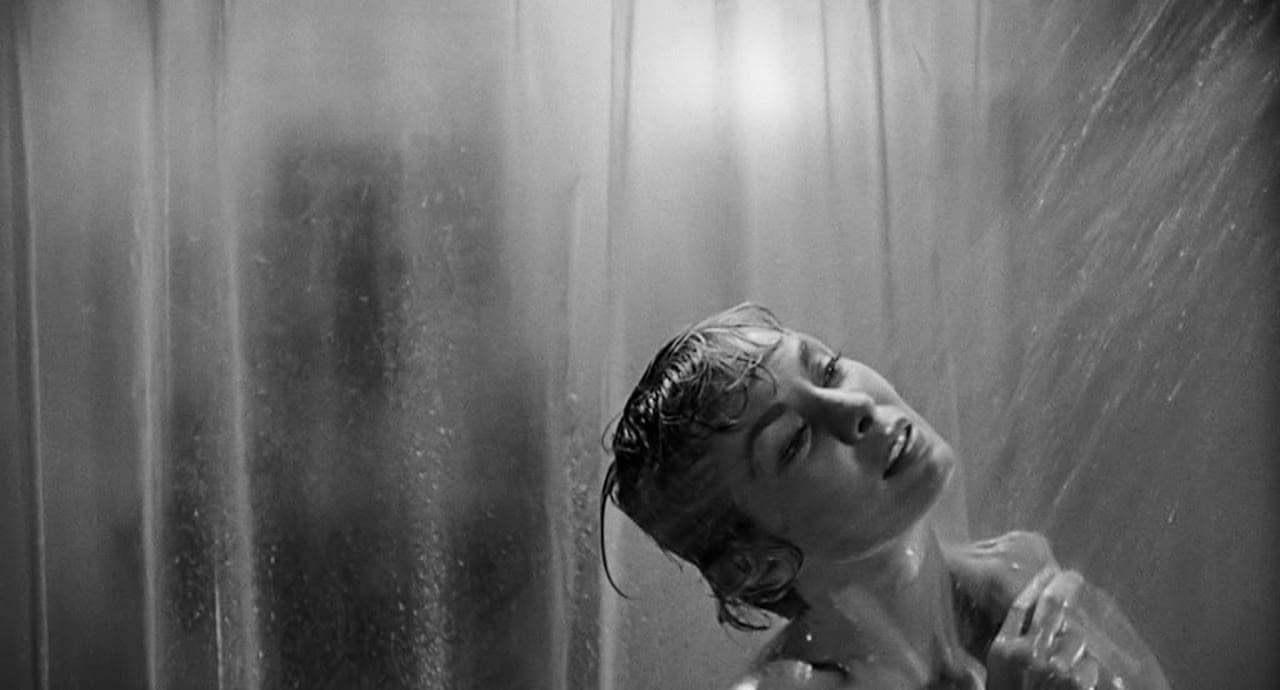
Horror cinema has never been a mere mechanism of dread, reducible to its jump scares or its taste for the macabre. To question its social function requires going beyond aesthetic analysis to observe how this unique genre captures, synthesizes, and reproduces the invisible tensions that run through an era. Through the figuration of our hauntings, horror films act as a mode of symbolic mediation, a distorting prism capable of making intelligible what the social body tends to repress or silence.
In 1997, Michael Haneke articulated one of the most radical critiques of the spectacle of violence with his film Funny Games. By depicting the arbitrary imprisonment of a bourgeois family by two young men devoid of any apparent motive, the Austrian filmmaker takes away from the audience any cathartic comfort, thus avoiding a simple exercise in Kubrickian sadism. By breaking the fourth wall with direct camera glances, addressing the viewer, and rewinding the film in a gesture of icy irony to annihilate any inclination towards rebellion or victorious redemption of martyrs, the filmmaker completely subverts the narrative economy of the thriller. Hence, it becomes clear that the fundamental issue of the film never resided in the representation of cruelty, but rather in putting the viewer on notice regarding their own voyeuristic stance. Haneke skillfully diverts the typical grammar of suspense (and cinema) to force the viewer to confront their perverse desires for vengeance and blood, thereby revealing the moral complicity that binds horror to society.




Commentaires
Aucun commentaire pour le moment. Soyez le premier à réagir.