
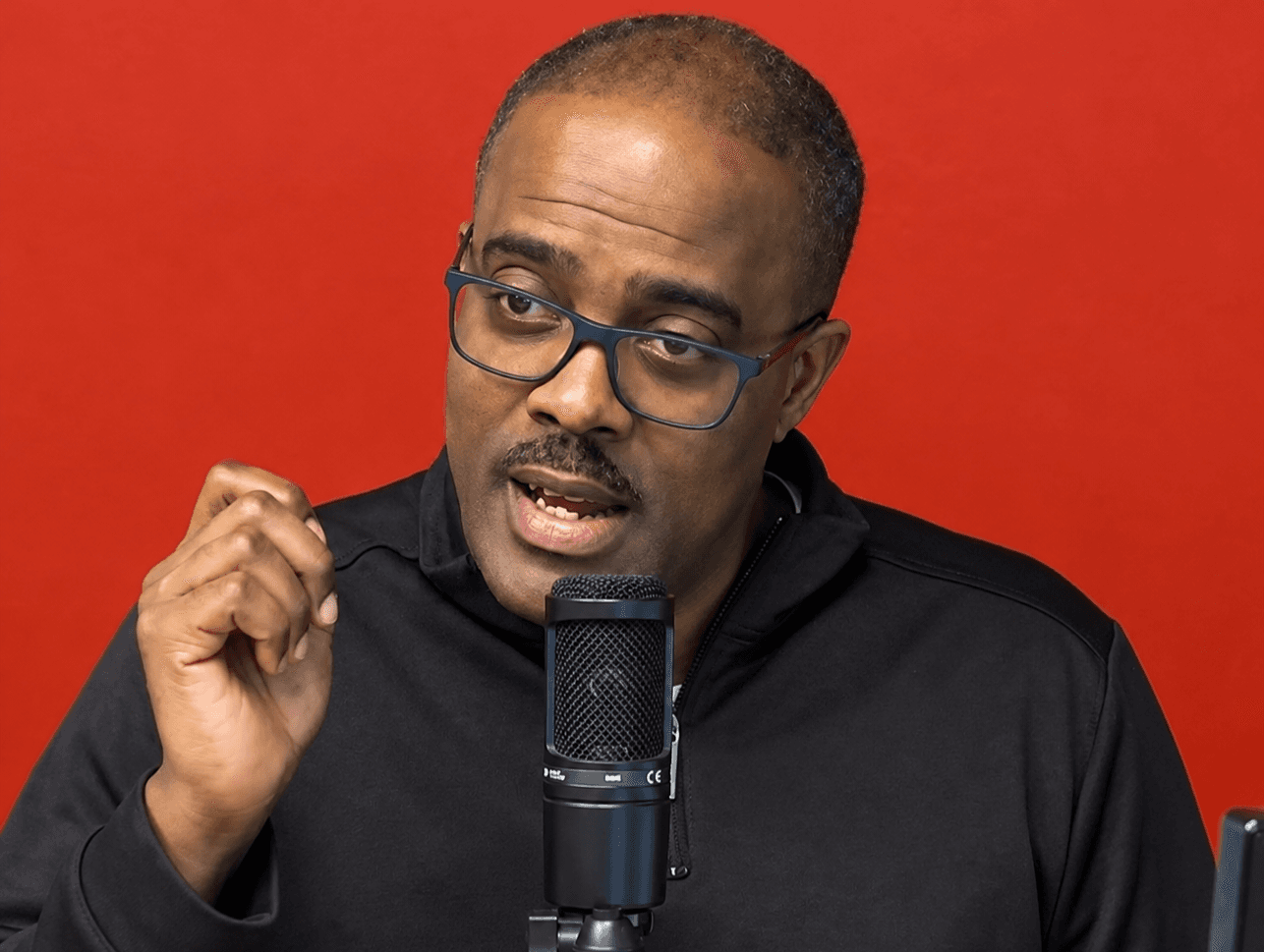
As the midterm elections in the United States approach, Édens Débat calls on the Haitian community to organize in order to make their voice heard. The midterm elections are expected to reshuffle the cards in both houses of the American Congress, currently controlled by a Republican majority. A change in this configuration should not be without impact, even minimal, on the situation of Haitian nationals, who are mired in difficulties related to immigration policies since the current administration led by Trump took power.<\/p>
According to this authoritative voice from the diaspora, these elections represent a crucial stake for Haitian compatriots living in the land of Uncle Sam. But the Haitian community suffers from a significant organizational weakness: the structures that represent it are not well enough organized to influence American politicians and get them to take its demands "seriously." "We do not have enough organizations throughout the diaspora that can ensure that when we have a demand, politicians take it into account." And, according to him, this weakness lies in a dual reality: the Haitian community does not vote "as a bloc" and does not contribute sufficiently to the financing of American electoral campaigns.<\/p>
"While it is true that we have many Haitian voters in states like Florida and in cities like Boston and New York, the fact remains that these Haitians are not all grouped under a single banner," Édens Débat pointed out. "When you have that banner which can guarantee a significant number of votes, you can exchange your votes for your list of demands," he explained. The same formula should also apply to the donations given to candidates during electoral campaigns, so that Haitian demands can resonate with the candidates.<\/p>
However, according to Édens Débat, the issue of temporary protected status (TPS) should still weigh in the upcoming elections, due to its consequences on several sectors of the American economy. This should, according to him, benefit the Haitian community, of which more than 350,000 members were affected by the decision to end TPS, initially scheduled for February 3, 2026, but whose end of protections was announced to be effective on July 27, 2026. "Even if it wouldn't be the Haitian community itself advocating for the return of TPS or the passage of a new law, we have the whole system that will contribute to this cause," he asserted.<\/p>
But not all indicators are green for Haitians, even in the event of a sweeping victory for the Democrats in the American midterm elections. Even if a law favorable to immigrants is approved by Congress, the American administration still has the right to veto it, unless the text is voted by a two-thirds majority in each of the two houses of Congress. Hence the appeal from Mr. Débat, who urges Haitian nationals to "vote Democrat" en masse, no matter where they are in American territory.<\/p>
Several initiatives aimed at unifying the different organizations of the Haitian diaspora have already been taken, according to Édens Débat, but have not lasted long or produced the expected results. The cause: internal political dissensions, which persist even on American soil. This is compounded by a lack of support from the Haitian government, which abandons Haitian communities to their fate or uses diaspora leaders for partisan political purposes. This compromises efforts to unite the Haitian community and strengthen their ability to act with American decision-makers.<\/p>




Commentaires
Aucun commentaire pour le moment. Soyez le premier à réagir.