
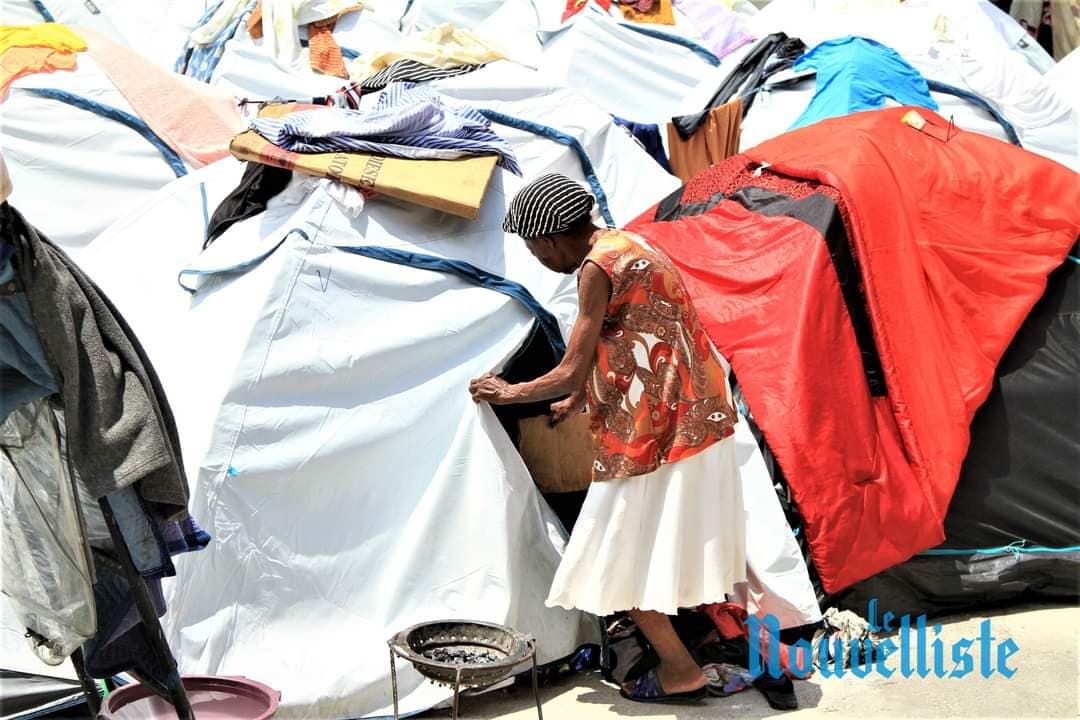
This report is the result of one of the components that the IOM implements to understand the situation of the displaced and also to advocate for assistance to the displaced population and the communities hosting them. "This is the latest report we have published, which reported nearly 10,000 displaced persons following attacks in the commune of Cité Soleil, Tabarre, and Croix-des-Bouquets as well as in the neighboring neighborhoods of these communes: Terre-Blanche, Terre-Noire, Blanchard, Duvivier, and neighborhoods of the commune of Carrefour: La Grenade, Rivière-Froide, which are currently under attack. 10,000 displaced persons in one week is a lot. The majority, about 60%, have taken refuge with relatives in host families, approximately 40% have settled in sites such as schools, churches, or other empty spaces where they can seek refuge. "There are a total of 13 sites that have welcomed these 10,000 people. Among these sites, there are ten new ones, where no one had sought refuge before. These waves of displacement have led to the creation of these sites, three of which already existed," explained Yakin Mwanza, head of the data and research unit at the IOM, in an interview with Radio Magik9 on Thursday, February 15, 2024.
"The last time we recorded this kind of massive displacement in such a short time was during the attacks on Carrefour-Feuilles, a neighborhood in downtown Port-au-Prince," Mr. Mwanza pointed out. "In addition to these recent displacements, the metropolitan area has been facing several attacks for a few years now. More than 300,000 people have had to flee their homes in Haiti." "According to our latest end-of-year assessment in December 2023, there were a total of 314,000 displaced persons in Haiti. Among these individuals, approximately 30% found refuge in a total of 81 sites. Nearly all of these sites were located in the metropolitan area of Port-au-Prince," reported the IOM official. Living conditions are precarious concerning hygiene and sanitation, access to shelters to protect from the weather, as well as access to water, emphasized Yakin Mwanza, who also noted that more and more people are settling in sites. "An increasing number of populations are seeking refuge in sites. At the end of 2022, 7 displaced persons out of 10 were in host families and 3 out of 10 were living in sites; the situation has reversed in the metropolitan area, where most people are now in sites. The main factor is that host families do not have sufficient resources to accommodate refugees for a relatively long period. The second factor is a climate of distrust towards strangers migrating to other neighborhoods, and lastly, there are fewer and fewer options.


Commentaires
Aucun commentaire pour le moment. Soyez le premier à réagir.