
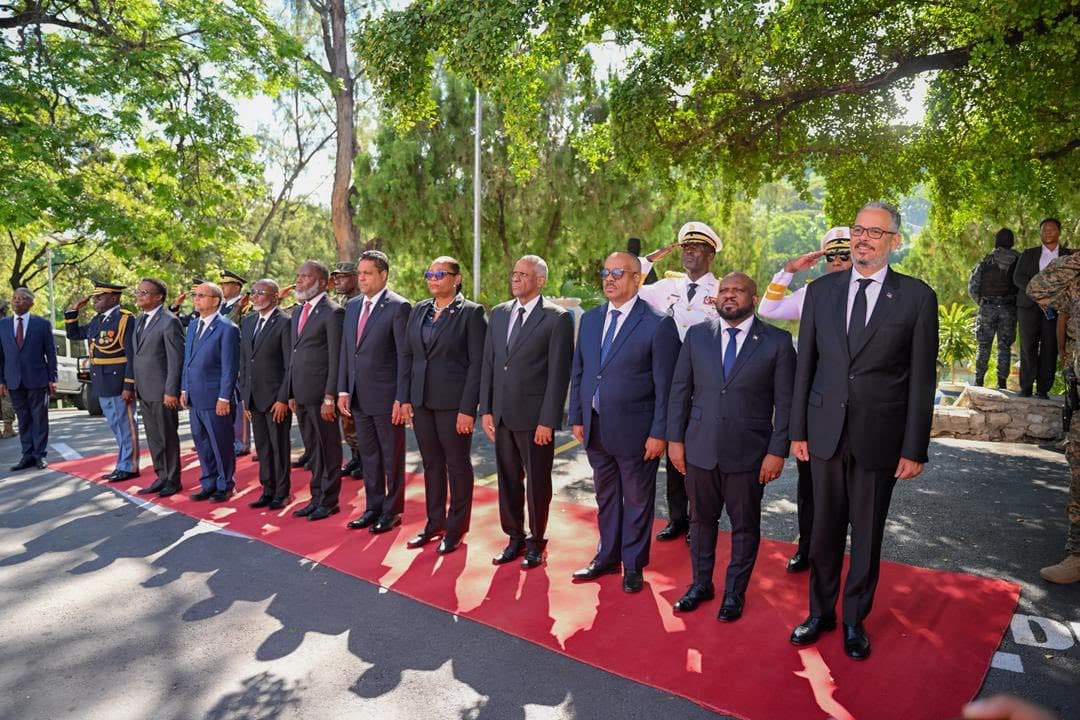
Time does its work. It exposes and reinforces what is obvious. One of these truths—deeply unbearable—is that in Haiti, for a very long time, far too long in fact, people in positions of authority have not acted in the collective interest. The transition initiated after July 7, 2021 illustrates this and highlights what is not merely a trait but rather a defining characteristic of so many Haitian men and women in politics.
Schemes against the nation are often carried out with the support of appendages presented as civil society organizations. The idea of a counterpower—of peaceful resistance steeped in moral courage in the face of abuses, violations of the law, and the people’s highest hopes—has been cheapened and stripped of its meaning. Some of these organizations are breeding grounds for educated individuals—“experts” at will, always ready to draft far-fetched projects, versions of decrees, or profoundly anti-democratic constitutional proposals. With the stroke of a pen, they excel at creating sanctuaries for corruption, muzzles for dissent and for freedom of expression. The simple demand to respect the right to know—essential in a democratic republic—is to be silenced. These discreet minds that give shape to the abyss and to the national misfortune, invited here and there to receptions, are out and about these days. With their noses to the grindstone of perpetuating the status quo, the Conseil présidentiel de transition (CPT), political operators endorsed by intellectuals and businesspeople, are seeking an extension beyond February 7 to continue enjoying power or to secure projects of new conquests of power. The elements of this alliance continue to tread on the sticky blood of the beginning of this transition, planted in the shifting sands of a president’s assassination—an assassination whose intrigue resembles Murder on the Orient Express. Haitian justice remains silent nearly five years after the events.



Commentaires
Aucun commentaire pour le moment. Soyez le premier à réagir.