
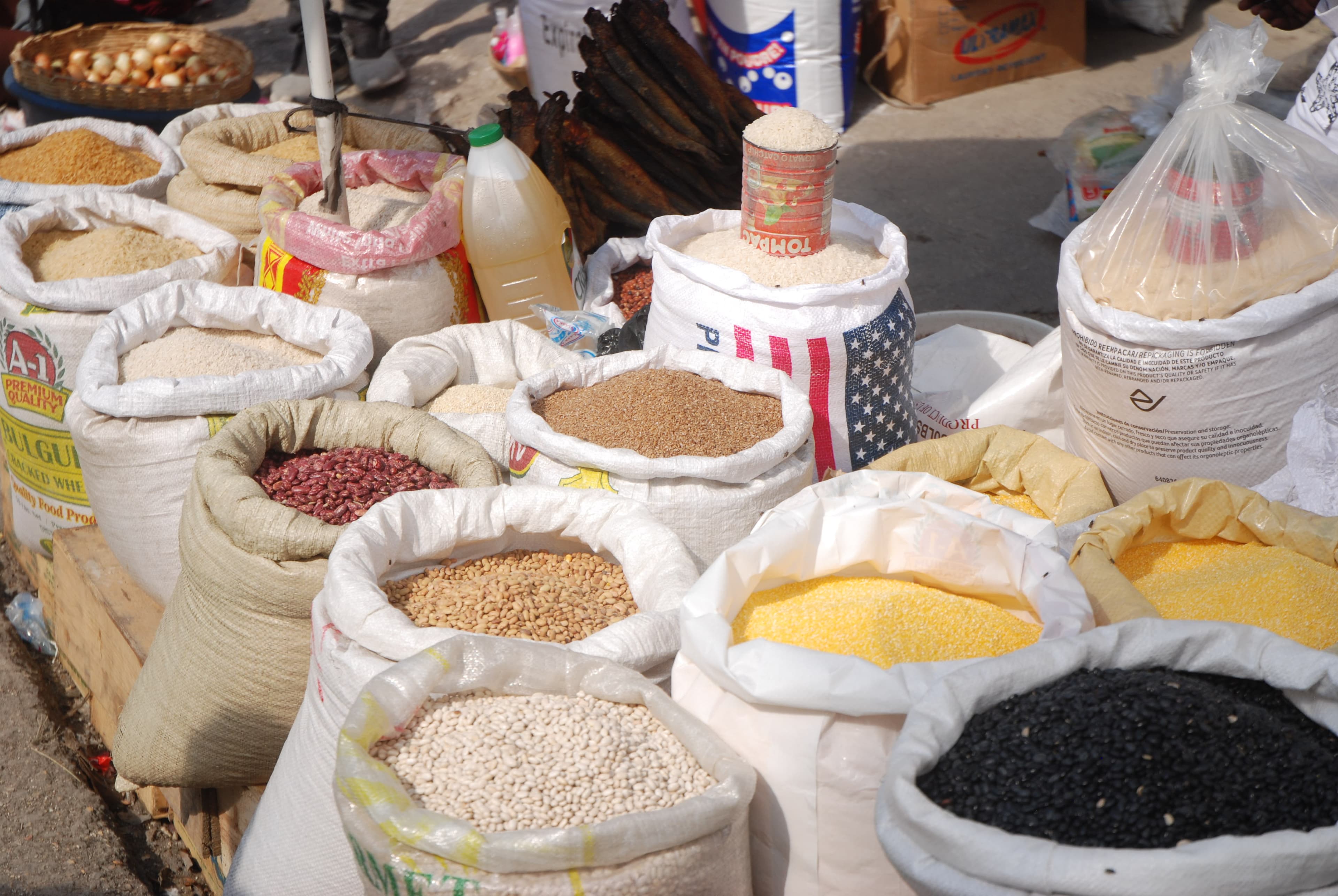
More than half of Haitians do not eat their fill. We know the visible consequences of this catastrophe: malnutrition, disease, death. But there is another, invisible one that science is beginning to document: chronic hunger alters brain chemistry. It affects individuals’ ability to plan, to save, to invest, to choose the long term over immediate survival. Yet it is precisely this ability that underpins economic development. This article explores a troubling hypothesis: what if Haiti’s food dependency does not only destroy lives, but also the very mechanism by which the country could rebuild itself?
Why doesn’t Haiti invest in its own future?
The question seems blunt. But it is the question every economist eventually asks when confronted with Haitian data. One of the lowest savings rates in the hemisphere. Agricultural investment in free fall for thirty years. Parents withdrawing their children from school to send them to sell in the market. Farmers consuming their seeds instead of planting them. Traders eating up their entire margins instead of rebuilding their stock. These behaviors are documented. They are widespread. And the usual answers—culture, fatalism, lack of education—satisfy no one.


Commentaires
Aucun commentaire pour le moment. Soyez le premier à réagir.