
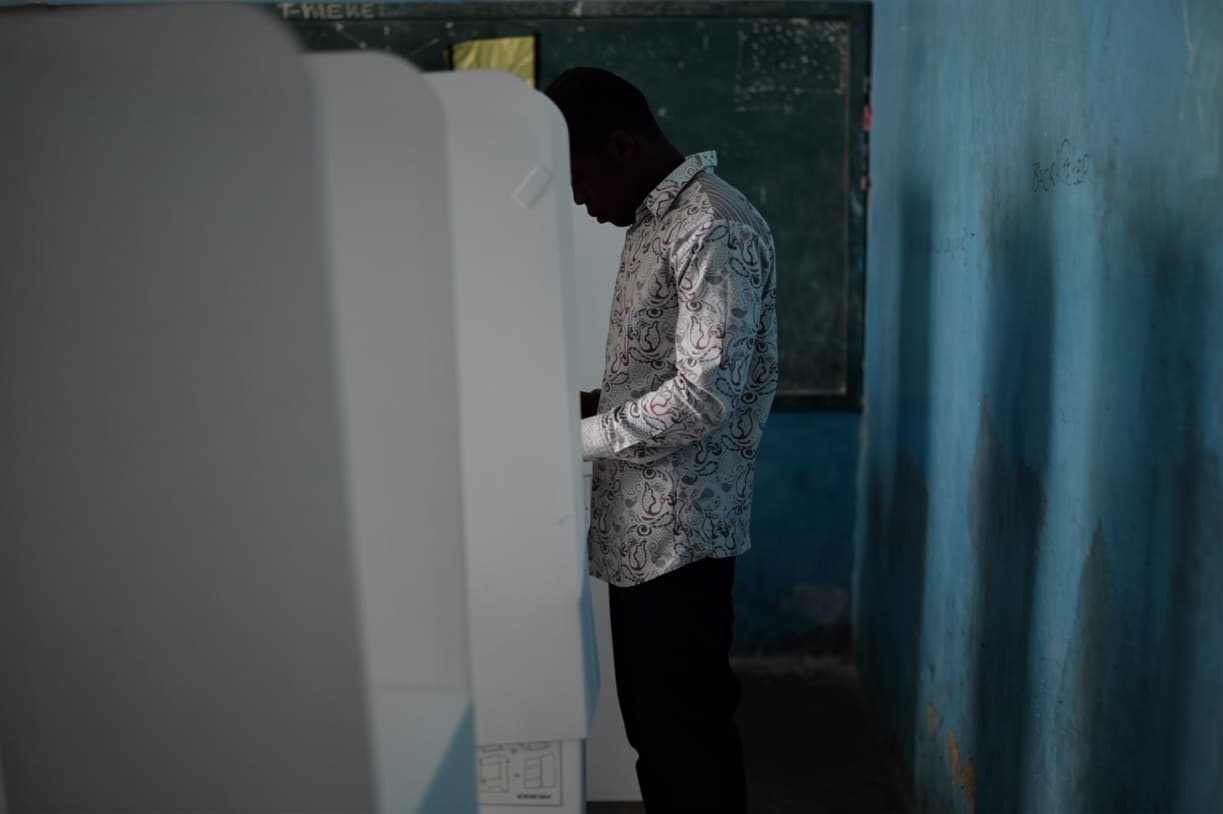
It is a war of narratives! It is indeed one, and a highly combustible one at that. The post-Jovenel Moïse dilemma proves that there is reason to despair over a transition built like a cluster bomb, one that will end like a thriller thanks to the petty schemes of professional crisis-makers. That is why Prime Minister Alix Didier Fils-Aimé, who now has an obligation to succeed, calmly and pragmatically embodies the pro-election, or electoralist, current. The anti-electoralist current one has in mind is made up of supporters of yet another transition. Yet hardly anyone still believes that the electoral process, which faces terrible challenges beginning with insecurity and the dispersal of several million voters, will be interrupted. But as the Prime Minister rightly pointed out, organizing and successfully carrying out the upcoming elections will require the participation and commitment of every sector of national life. When one takes the trouble to decipher the current situation, these two hypotheses or scenarios should be considered, as they open up entirely different fields of reflection and perspectives: elections with sanctioned individuals—former presidents of the Republic, presidential councilors, prime ministers, parliamentarians, ministers, directors general, business leaders and gang leaders—would be diametrically opposed to elections without sanctioned individuals. This analytical approach, and the absence of subjectivity in the analysis, is fairly clear.
First Scenario: Elections With Sanctioned Individuals



Commentaires
Aucun commentaire pour le moment. Soyez le premier à réagir.